
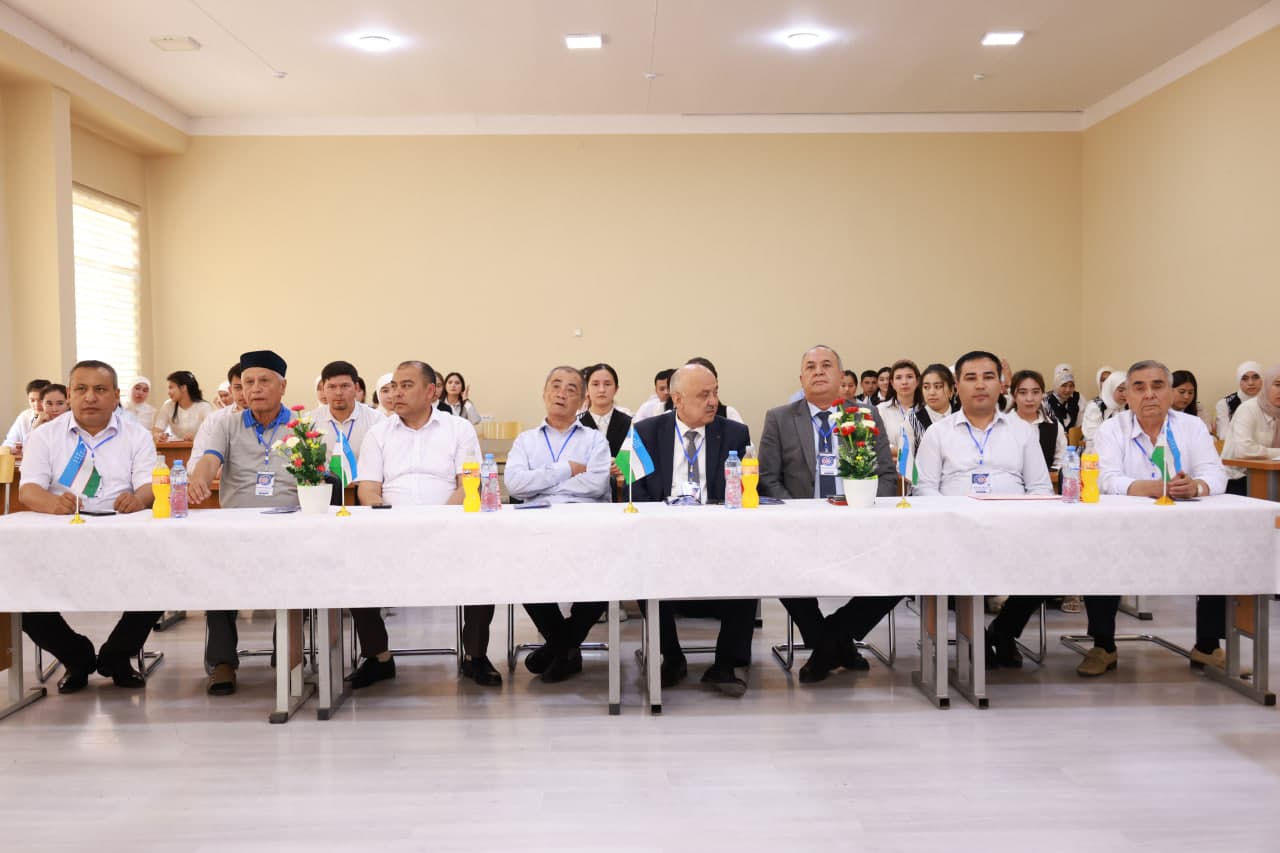
A republican scientific-practical conference titled “Development of Modern Physics and Astronomy Education — the Foundation of the Third Renaissance” was held at Kokand State University. The prestigious event brought together professors and lecturers from higher education institutions across the country, researchers, and young scientists. The conference aimed to strengthen the integration of science and education in Uzbekistan, discuss the development prospects of modern physics and astronomy, introduce innovative approaches into practice, and widely promote the role of science in building the foundations of the Third Renaissance.
At the beginning of the event, the university administration emphasized the importance of developing physics and astronomy, increasing young people’s interest in scientific research, and expanding international scientific cooperation. Speakers highlighted that scientific development is an essential part of the strategic goals of New Uzbekistan, and the importance of fundamental sciences continues to grow in the era of modern technologies.
In the main session of the conference, several scientific presentations were delivered. In particular, Associate Professor Zarifjon Yusupov (Khujand State University) presented a report on the physical foundations of laser technologies. Professor Rustam Rasulov (Fergana State University) shared his research on the theoretical analysis of optical transitions. In addition, Professor Bakhrom Abdulazizov (Namangan State University) presented research findings on the energy and optical properties of nanoparticles.
The conference also included discussions on the implementation of innovative pedagogical technologies in physics education, the use of digital tools in astronomy teaching, and the role of artificial intelligence and computer technologies in the educational process. Professors from the National Pedagogical University of Uzbekistan named after Nizami and Chirchik State Pedagogical University shared advanced practices in interactive teaching methods, virtual observatories, and nanotechnology.
During the sectional sessions, discussions were held on topics such as “Innovative Pedagogical Technologies in Modern Physics and Astronomy Education,” “Pedagogical Significance of Introducing Artificial Intelligence and Computer Technologies in Education,” “Problems of Fundamental and Applied Physics,” and “The Role of Social Sciences and Humanities in the Era of Globalization and Digital Transformation.” It was emphasized that the proposals and initiatives put forward are of great importance for improving research efficiency, education quality, and the development of innovative activities.
At the conclusion of the conference, active participants—teachers and researchers—were awarded by the organizers. Plans were also outlined to further expand scientific cooperation between higher education institutions, implement joint projects, and support young scientists.


Related news
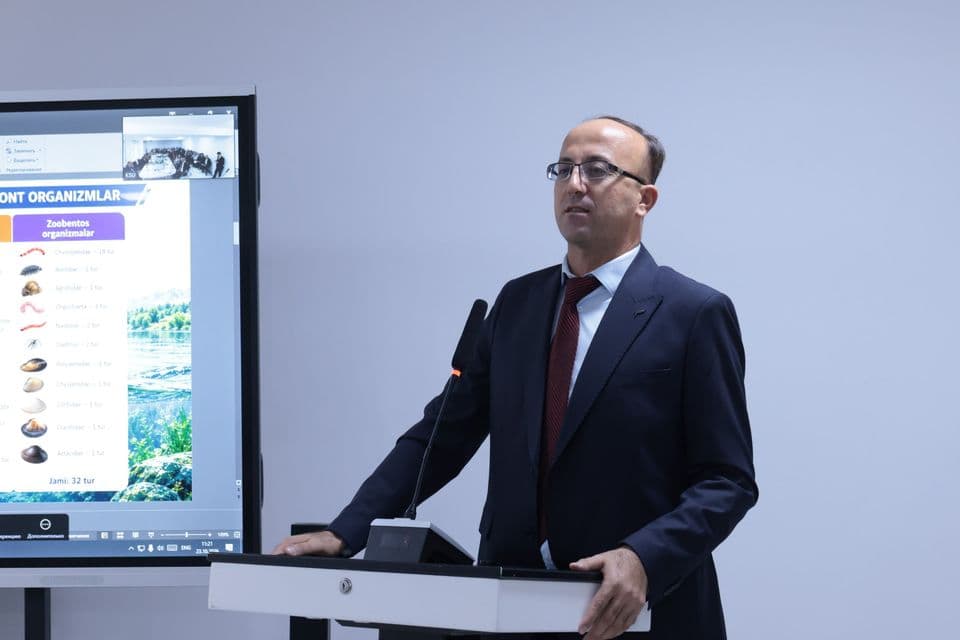
“Green Space” — Towards Nature Conservation and the Promotion of Environmental Awareness
An international scientific and practical conference entitled “Green Space: Protecting Flora and Fauna and Teaching Respect for Nature in the Upbringing of the Younger Ge…
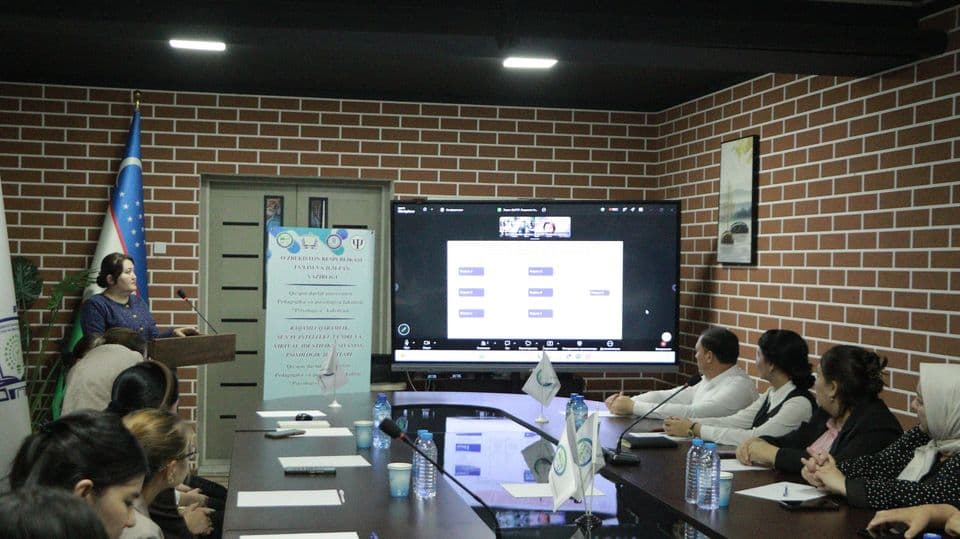
Digital Addiction and Artificial Intelligence: Conference Held on a Pressing Issue
Amid the rapid development of digital technologies in our country, an important scientific and practical conference was held to address pressing issues facing society. As…
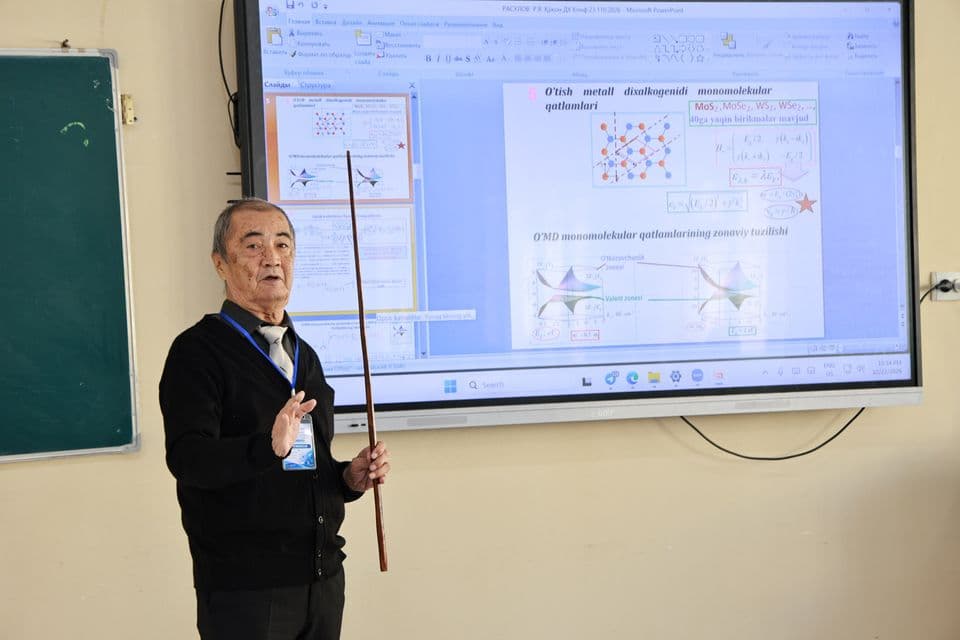
Modern Approaches to Physics and Astronomy Education Discussed
Strengthening the integration of science and education, promoting the practical application of fundamental research findings, and creating an effective platform for scien…