
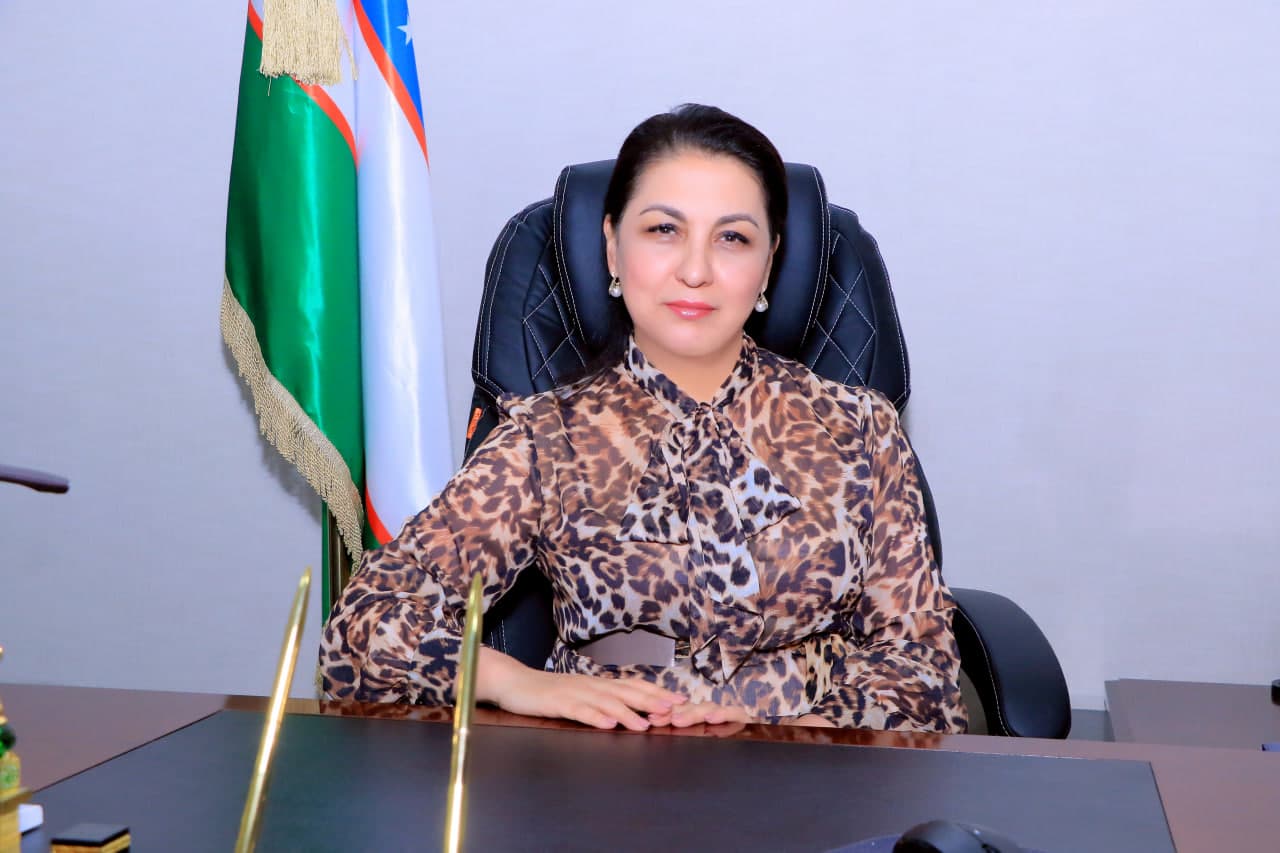
The open dialogue with youth chaired by Shavkat Mirziyoyev at the Kuksaroy Residence should be regarded not merely as another event, but as a significant political and social milestone that defined the strategic directions of the country’s development.
Once again, a key idea was emphasized during the dialogue: youth represent the country’s greatest economic, social, and intellectual capital. This is not simply a slogan, but a conceptual approach that has become a priority of state policy.
In today’s global competition, the strength of nations is measured not by natural resources, but by human capital. Therefore, higher education institutions must transform from mere providers of knowledge into centers that train competitive, proactive, and innovation-oriented professionals.
The first major conclusion drawn from the meeting is that leadership activities must be based on openness and direct dialogue. A modern governance model relies not on closed offices, but on open platforms and live communication.
Listening to students’ concerns, supporting their initiatives, and resolving issues promptly is not only a social responsibility but also a practical mechanism for improving the quality of education. Any unresolved problem within the education system inevitably affects overall performance.
The second key direction is mastering foreign languages, acquiring modern professions and digital skills, and fostering startups and entrepreneurship.
Today’s labor market demands practical competence rather than merely a diploma. In this regard, university education must be based on the integration of theory and practice. Startup projects, innovative ideas, the IT sector, artificial intelligence, and the digital economy open vast opportunities for young people.
Another important point emphasized during the dialogue is that the opportunities being created for youth have acquired a systematic character. Financial support for young entrepreneurs, investment in startups, opportunities to gain international experience, and favorable conditions for innovation and IT activities have been established.
However, the mere existence of opportunities does not automatically produce results. Utilizing them requires aspiration, initiative, and hard work. This places personal responsibility on students.
The address also introduced the important concept of a modern university model. A university is not merely an institution that grants diplomas. It must be a system that teaches professions, transforms ideas into practical projects, prepares young people for independent life, and closely cooperates with employers.
The introduction of dual education mechanisms, preparation for international language certificates, expansion of IT and vocational courses, and practical support for scientific and startup projects have been defined as strategic priorities.
Within youth policy, special attention is given to supporting socially vulnerable students. Without ensuring equal opportunities in education, the development of human capital cannot be complete. In this sense, leaving no young person without attention becomes a fundamental principle for universities.
The core idea derived from the address is clear: opportunities are being created, systems are being formed, and conditions are available. The outcome now depends on the aspiration, initiative, and tireless efforts of the youth themselves.
Dilnoza Khodjayeva
Rector of Kokand State University
Related news
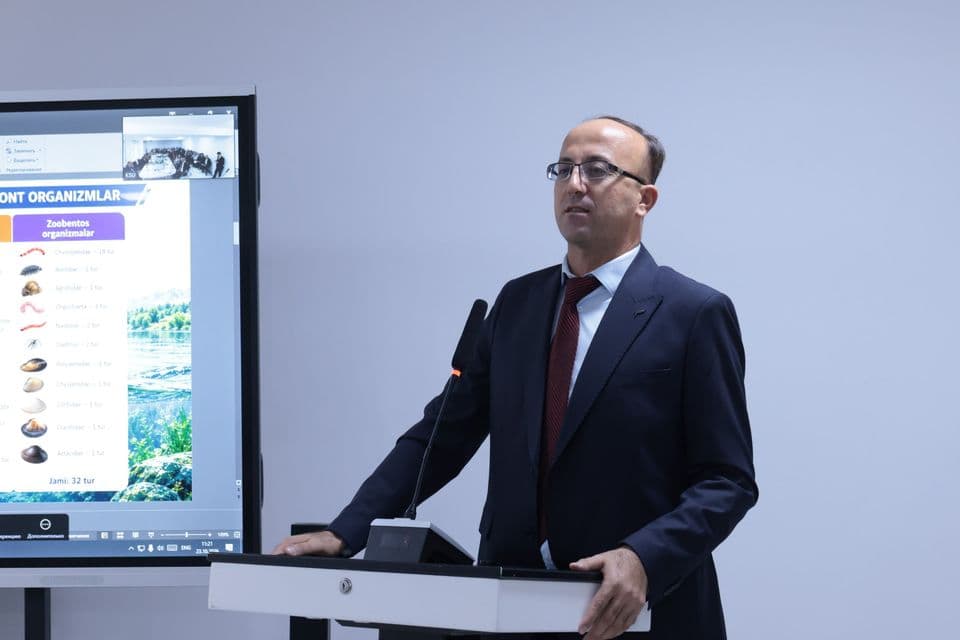
“Green Space” — Towards Nature Conservation and the Promotion of Environmental Awareness
An international scientific and practical conference entitled “Green Space: Protecting Flora and Fauna and Teaching Respect for Nature in the Upbringing of the Younger Ge…
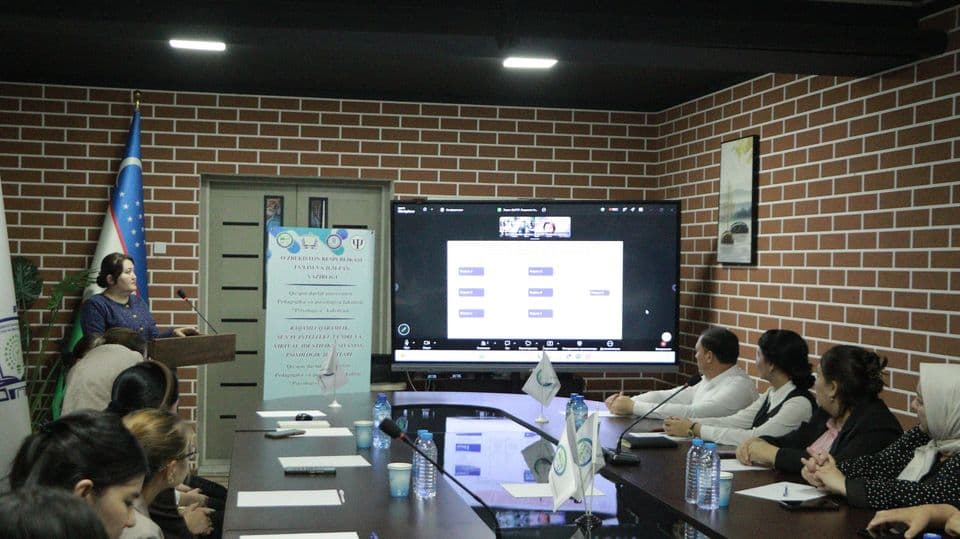
Digital Addiction and Artificial Intelligence: Conference Held on a Pressing Issue
Amid the rapid development of digital technologies in our country, an important scientific and practical conference was held to address pressing issues facing society. As…
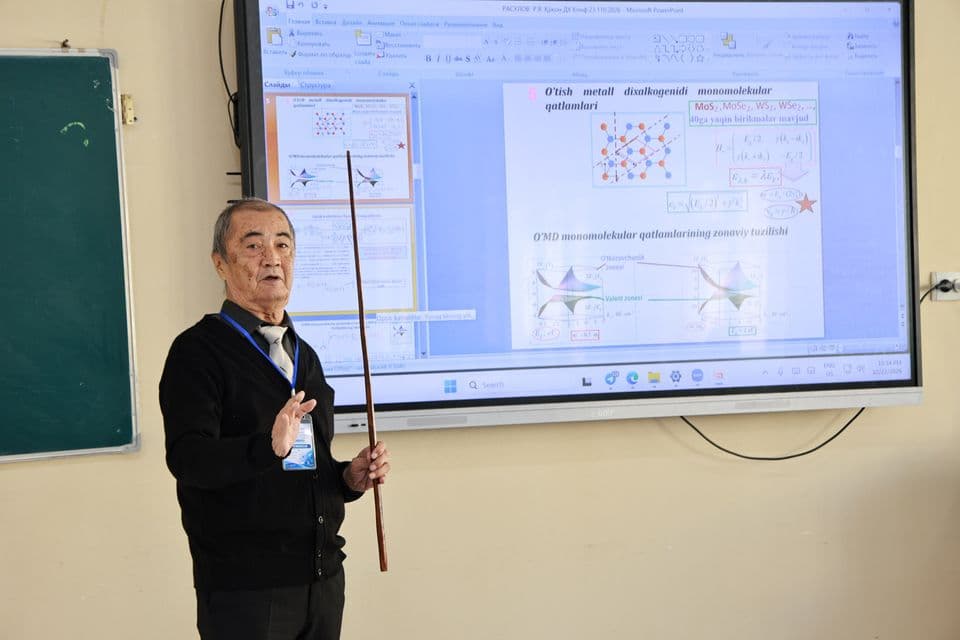
Modern Approaches to Physics and Astronomy Education Discussed
Strengthening the integration of science and education, promoting the practical application of fundamental research findings, and creating an effective platform for scien…