
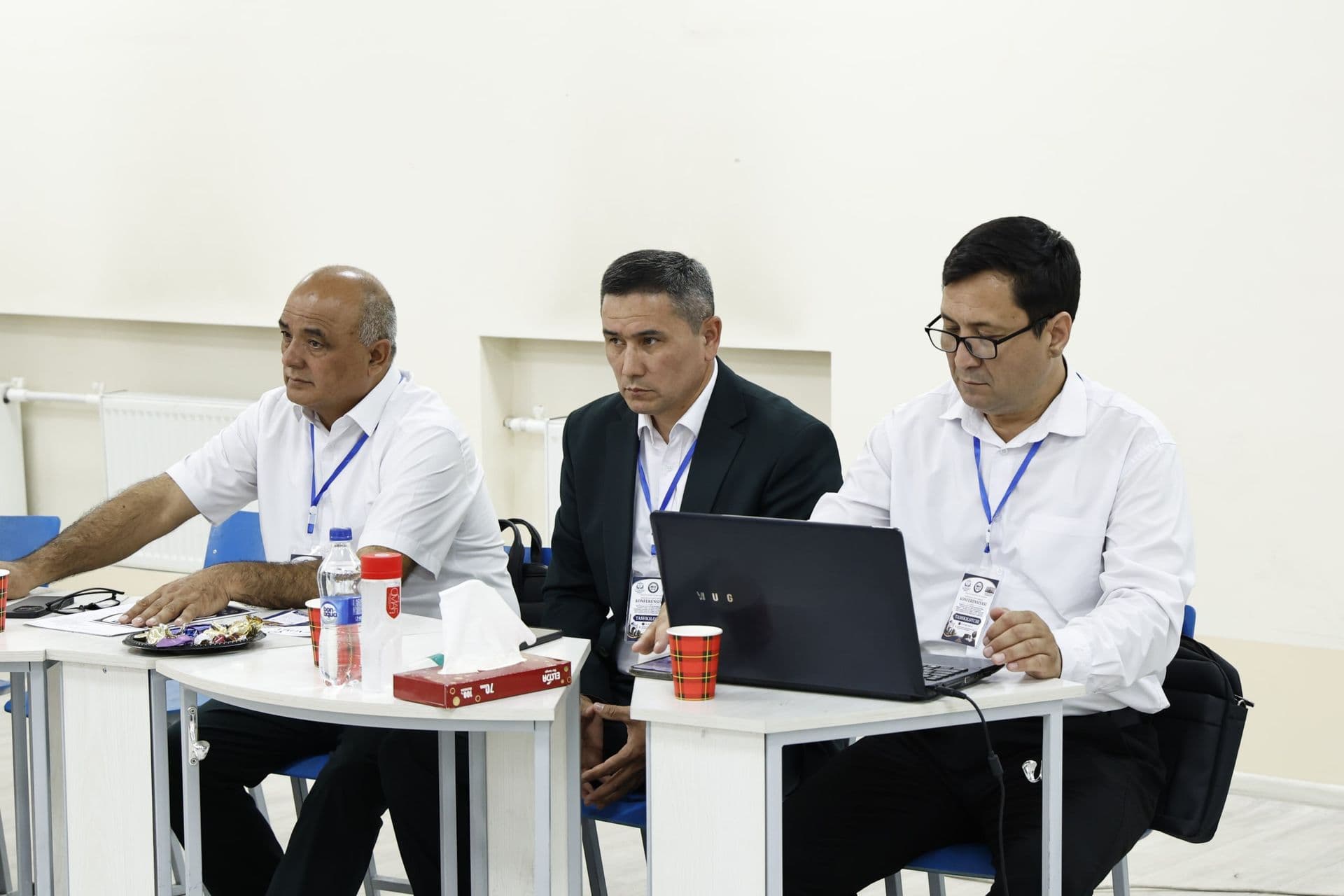
A republican scientific-practical conference titled “Modern Theoretical and Practical Approaches to Teaching Second Foreign Languages in Higher Educational Institutions of the Republic: Scientific Research and Pedagogical Experience in English, German, Russian, and Uzbek Languages” was organized at the Interfaculty Languages Department of Kokand State University. The conference was dedicated to the development of foreign language teaching methodology, modern pedagogical technologies, and linguistic research within the higher education system of the country.
The conference brought together specialist scholars, professors, researchers, and master’s students from various higher educational institutions, scientific centers, and foreign language departments across the republic. During the plenary session, Kokand State University Vice-Rector Sharifjon Pulatov delivered a speech emphasizing that in today’s era of globalization, mastering foreign languages, introducing modern pedagogical methods into practice, and strengthening international scientific integration are among the most pressing tasks.
During the conference, scientific presentations were delivered on a number of topical issues related to linguistics, linguoculturology, linguodidactics, translation studies, and the integration of digital technologies into the educational process. In particular, Associate Professor Sofiyakhon Usmonova of Kokand State University presented a report on “The Issue of Toponyms in Uzbek Language Textbooks,” Associate Professor Mazmuna Otaboyeva spoke on “The Linguocultural Interpretation of the Concept of ‘Faith’ in Religious Discourse,” while Associate Professor Elyorjon Yusufaliyev delivered a presentation on “Linguodidactic and Methodological Integration in Teaching a Second Foreign Language.”
Special attention was also paid to scientific research conducted in Russian and English. In particular, university researcher Dilnozakhon Burkhanova presented a comparative linguistic analysis of the term “brothers” in Uzbek and Russian languages, while Associate Professor Sobirjon Khamzayev of the Uzbekistan State World Languages University discussed the role of human thinking in the lexical richness of the English and Uzbek languages.
In the second part of the conference, scientific presentations by young scholars and master’s students were heard. Modern topics such as graphic communication tools in internet language, intercultural analysis of political speeches, gender characteristics of speech, and the application of artificial intelligence and digital technologies in gamification became the focus of discussions. This once again demonstrated the growing importance of innovative technologies in foreign language teaching today.
During the conference, participants exchanged scientific ideas and put forward proposals and initiatives regarding prospects for future cooperation. Experts developed a number of recommendations on the use of interactive methods in foreign language teaching, the introduction of artificial intelligence technologies into the education system, and ensuring harmony between language and culture.
This scientific-practical conference served as an important platform for further improving foreign language teaching methodologies, advancing scientific research, and strengthening academic cooperation among higher educational institutions.


Related news
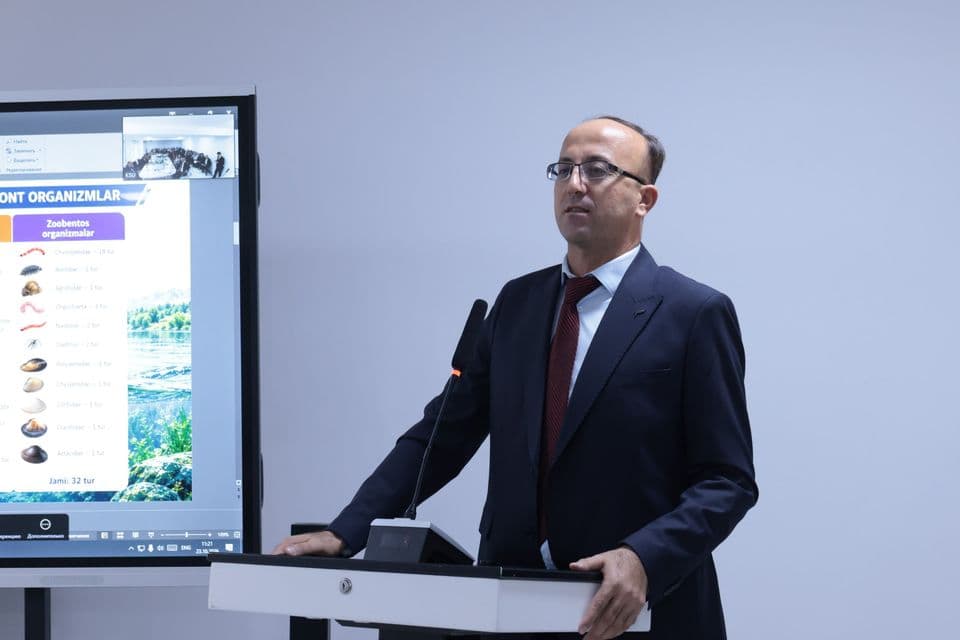
“Green Space” — Towards Nature Conservation and the Promotion of Environmental Awareness
An international scientific and practical conference entitled “Green Space: Protecting Flora and Fauna and Teaching Respect for Nature in the Upbringing of the Younger Ge…
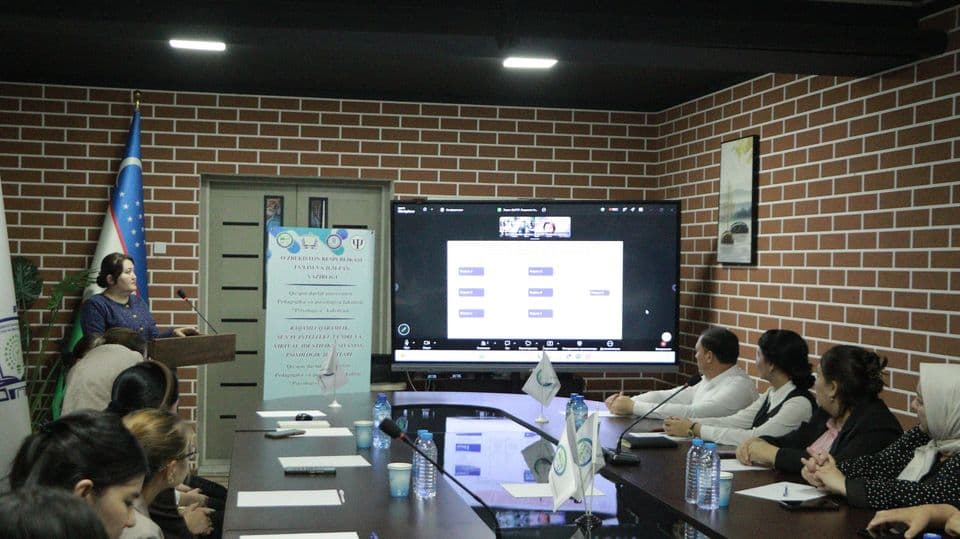
Digital Addiction and Artificial Intelligence: Conference Held on a Pressing Issue
Amid the rapid development of digital technologies in our country, an important scientific and practical conference was held to address pressing issues facing society. As…
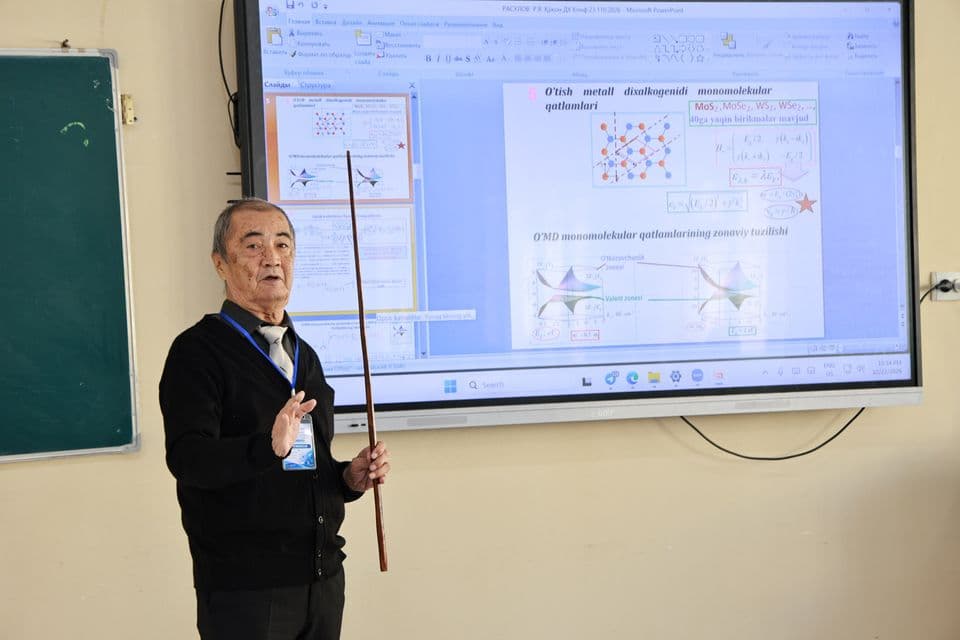
Modern Approaches to Physics and Astronomy Education Discussed
Strengthening the integration of science and education, promoting the practical application of fundamental research findings, and creating an effective platform for scien…