University History
A journey of nearly a century: from a pedagogical institute to a modern state university.
Kokand State University: Yesterday, Today, Tomorrow
In accordance with the Decree of the President of the Republic of Uzbekistan dated January 24, 2025, Kokand State University was established with the aim of reforming the higher education system and increasing its efficiency in the Fergana region. The new university was founded on the basis of Kokand State Pedagogical Institute, the Kokand branch of Tashkent State Technical University, and the Fergana regional branch of the Uzbek State Institute of Arts and Culture.
Today, over 18,000 enthusiastic students at our university are pursuing their dreams through full-time, distance, and part-time study programs. More than 700 highly qualified professors and instructors teach them, including 30 doctors of sciences (DSc) and professors, and 360 candidates of sciences (PhD) and associate professors. Sharing deep theoretical knowledge, modern skills, and rich practical experience with each student is our primary goal.
1931
The First Steps Toward Science and Enlightenment
The work of preparing youth for higher education in Kokand began well before the establishment of the Pedagogical Institute. At that time, the city hosted a pedagogical college, a mechanics technical school, an evening workers' university, and one-year and two-year special courses designed to train teachers for schools in Kokand and its surrounding districts, as well as three- and six-month pedagogical courses. These institutions were not merely ordinary educational establishments; they served as a school of great aspirations and hopes for young people striving for knowledge and enlightenment. As a result of these efforts, the idea of establishing a higher pedagogical institution in Kokand gained increasing momentum. Finally, in January 1931, the first 60 students were admitted to the Kokand Evening Pedagogical Institute and its preparatory department. This event marked a significant historical turning point not only for the education system but for the entire life of the valley. With the first steps of eager young learners across the threshold of the institute, a new era of higher pedagogical education began in Kokand.
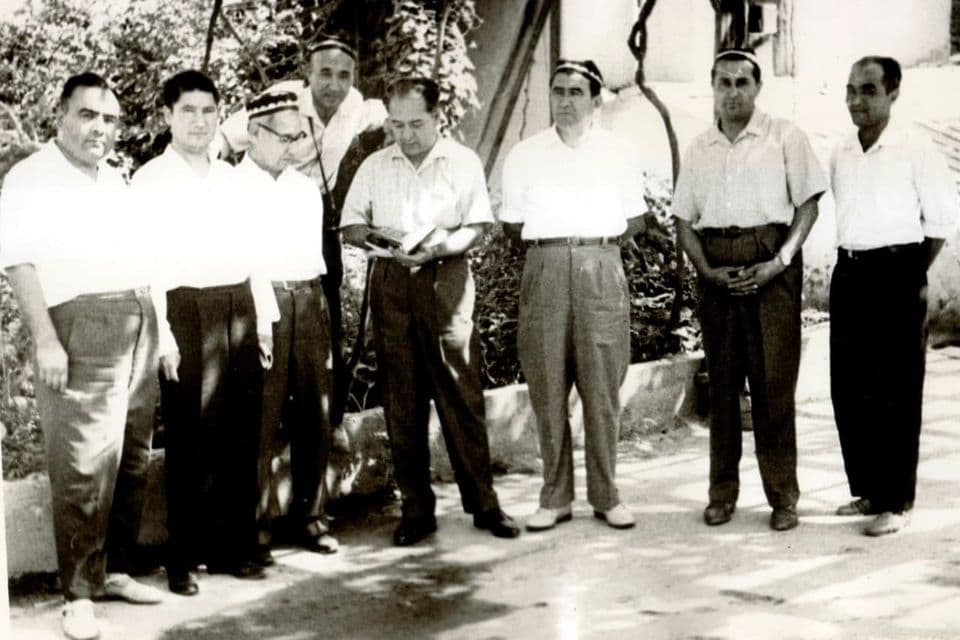
1935
The First Graduates — The First Victory on the Path of Enlightenment
The 1934–1935 academic year remains an unforgettable chapter in the history of the Kokand Pedagogical Institute. It was during these years that the institute bore its first fruits: 42 young specialists received their first diplomas. They were graduates in physics and mathematics, natural sciences, Uzbek language and literature, and history. Thus, the Kokand Pedagogical Institute began to transform from a mere training center for students into an institution of learning that nurtured dedicated intellectuals for societal development.
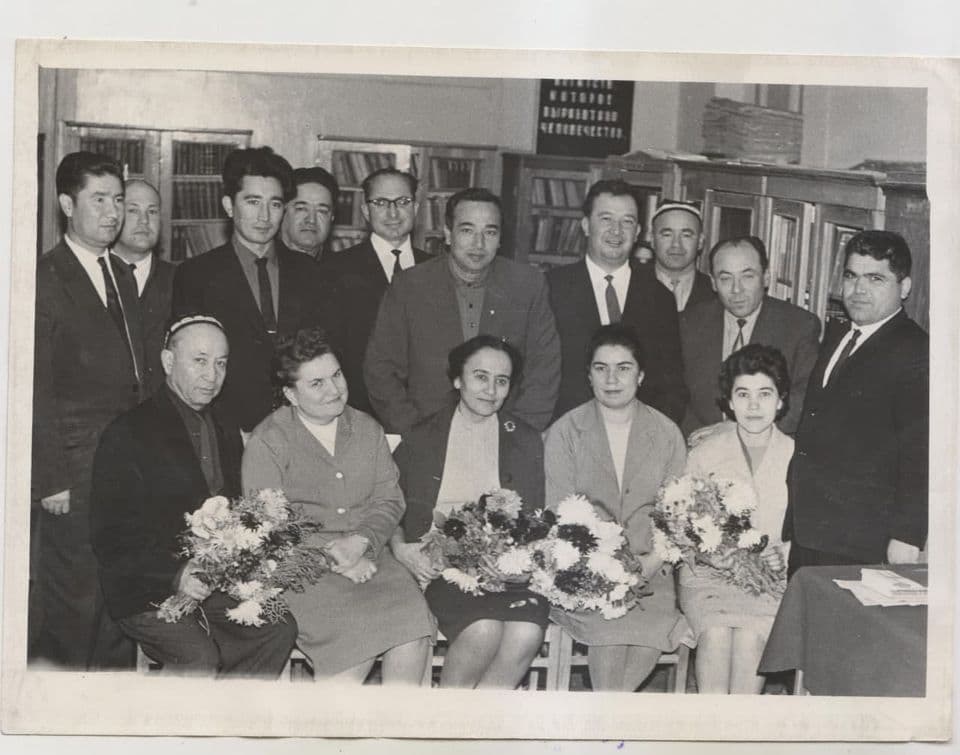
1939
A New Stage in the Kokand Education System
The year 1939 was one of the pivotal years in the history of Kokand’s scientific and educational life. On June 23 of that year, the leadership issued a resolution “On the Establishment of a Daytime Teachers’ College in Kokand City.” In accordance with the resolution, a daytime state teachers’ institute, designed for a contingent of 90 students, was established in Kokand City starting from June 1, 1939. It commenced its activities on September 1, 1939. By the 1939–1940 academic year, a total of 164 students were enrolled at the institute, comprising 71 daytime students and 93 evening students.
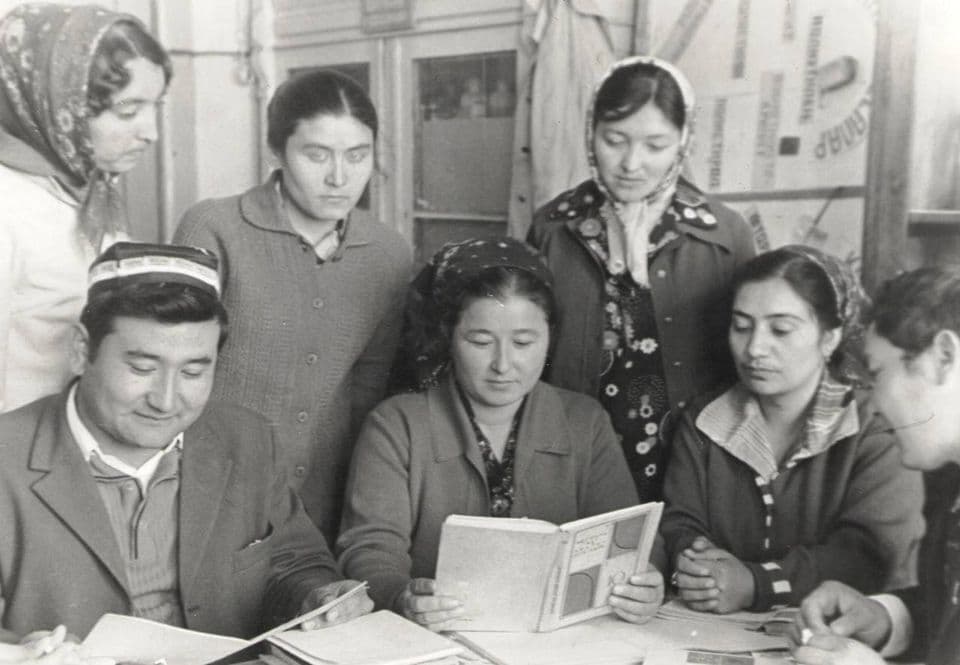
1943
Women Teachers Institute
In March 1943, by government decree, the Kokand Teachers Institute was transformed into the only women’s teachers institute in the republic. This decision placed significant responsibility and serious tasks before the institute’s administration. Notable changes also occurred in the educational process. To develop the necessary professional skills for women teachers, new subjects such as personal and home hygiene, children’s diseases, and their care were added to the curriculum. The establishment of the Department of Pedagogy and Psychology in 1945 marked a new stage in the institute’s educational activities.
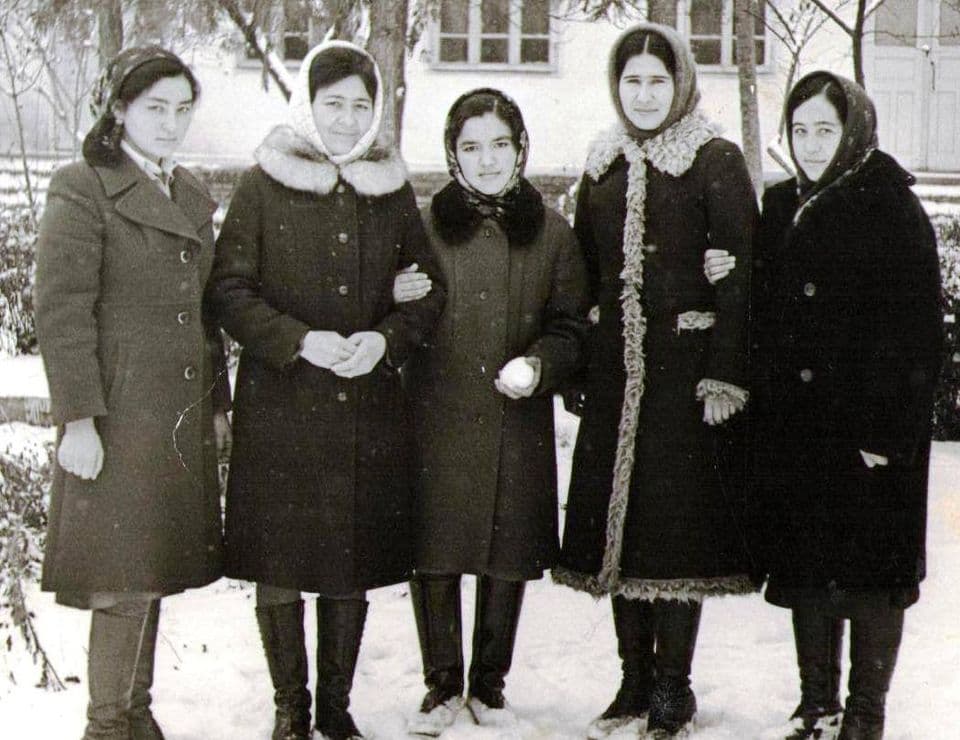
1945
Trial Years in the History of Kokand State University
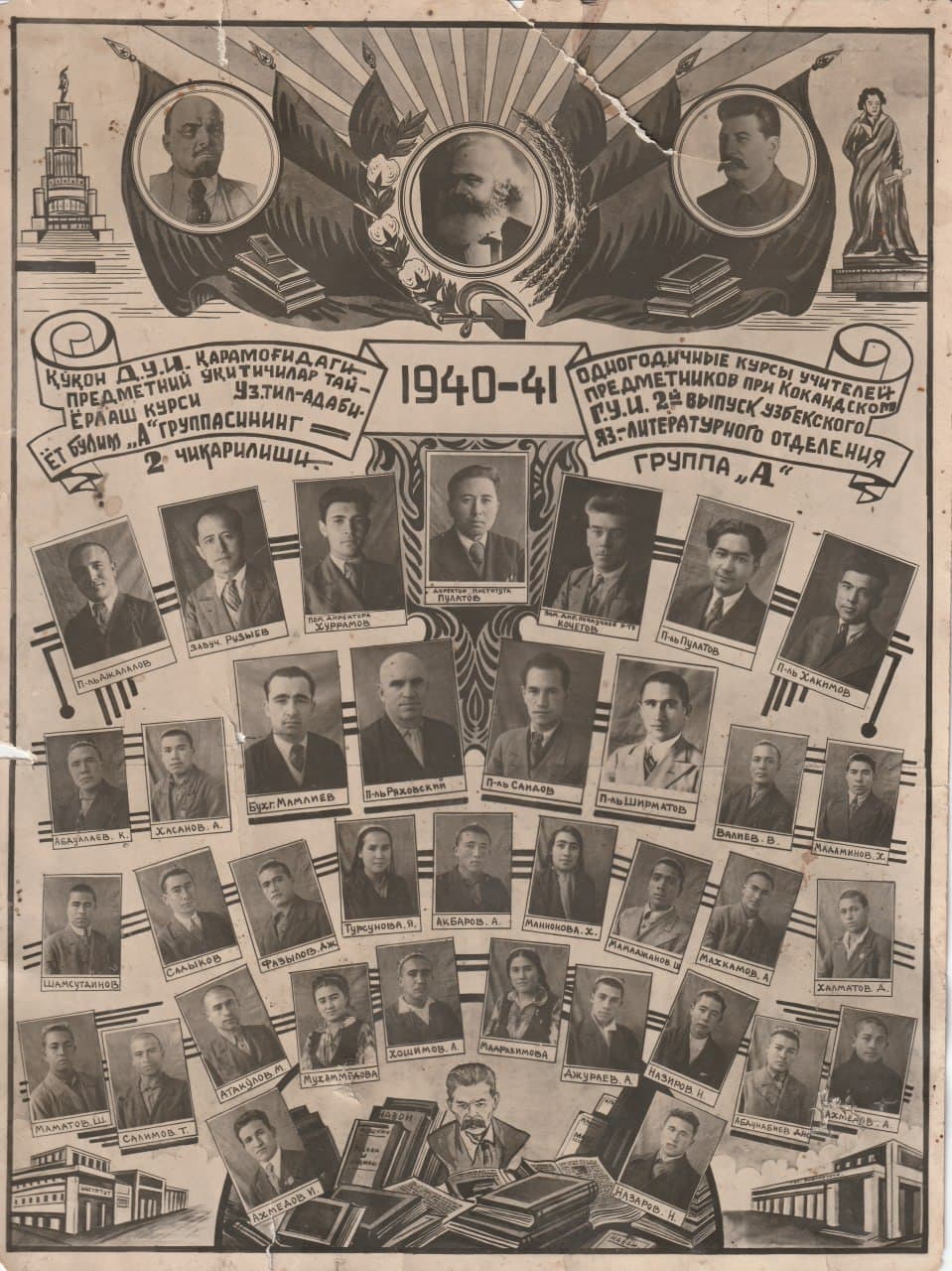
During the war years… These were times when life’s heaviest trials were testing both destinies and education. Even in such moments, the institute did not shirk its duties – it continued to supply schools with knowledgeable and dedicated teachers. Statistical figures encapsulate an entire history: in 1941 – 68, in 1942 – 96, in 1943 – 60, in 1944 – 62, and in 1945 – 66 students graduated from the institute. In those years, not only knowledge but also bread was an invaluable treasure. In April 1942, a decision of great importance for the institute community was adopted: to alleviate material conditions, 11 hectares of land were allocated to it for a subsidiary farm. Students and teachers worked together, sowing seeds on this land. The result was astonishing: 9 hectares of land were cultivated, yielding 4 tons of millet, 4 tons of corn, 3.7 tons of mung beans, half a ton of beans, half a ton of millet, 1 ton of beets, 9 tons of melons and watermelons, and over 1 ton of carrots. This abundant harvest not only replenished the tables of teachers and students but also provided strength for their arduous labor.
1954
Qoqon State Women's Pedagogical Institute
In the difficult post-war years, the leadership of the Qoqon Teachers Institute faced a monumental task. In 1946, 97 students were admitted to the daytime department and 22 to the evening department. However, the number of students at the institute grew very slowly until the 1960s. During this period, professors and teachers also began to pay special attention to scientific research. In 1951, Inomjon Rasulov successfully defended his dissertation at the Institute of Language and Literature of the Academy of Sciences of Uzbekistan and received the degree of Candidate of Philological Sciences. He remained in history as the first Uzbek scholar to emerge from the institute. In 1954, an important decision was adopted: by decree of the Council of Ministers, the Qoqan Women's Teachers Institute was elevated to the status of Qoqon State Women's Pedagogical Institute.
1970
Periods rich in renewal and aspiration
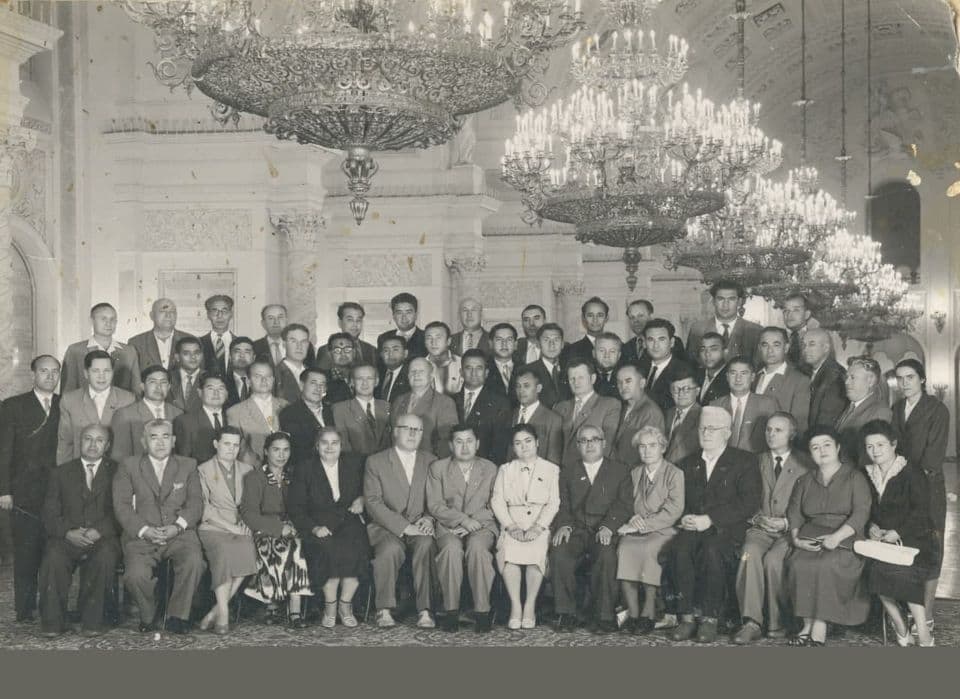
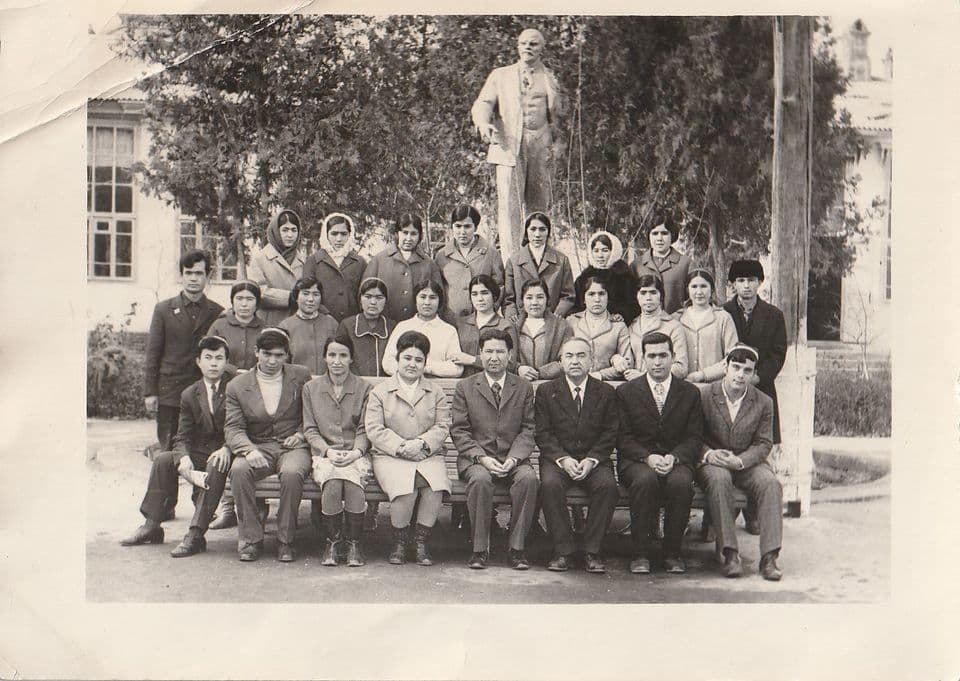
By the 1970s, the institute had become one of the major higher education institutions of the Fergana Valley. In the 1970–1971 academic year, it operated with 6 faculties and 17 departments, while 28 Candidate of Sciences and associate professors conducted scientific and pedagogical work. These indicators testified not only to the quantitative but also to the qualitative steady development of the institute. Thus, during the period from 1950 to 1970, the institute's path was enriched with trials and achievements, renewal and development. This period began to lay a solid foundation for the great successes of the following decades.
1981
An important symbol of university development
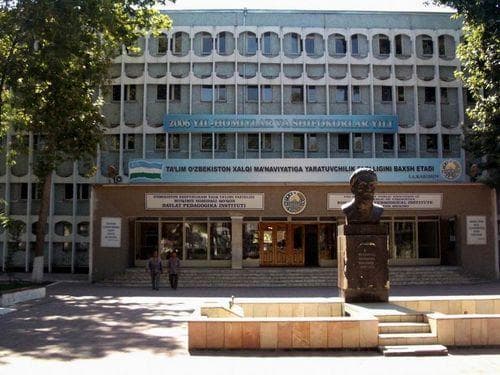
The year 1981 holds a special place in the history of Kokand State University as one of its significant milestones. It was in this year that the university's 5-story academic building was handed over for use. This building was not only a major educational institution for its time but also held great significance as one of the city's centers of science and enlightenment. This building stood as a symbol of the development of higher education in Kokand.
1990
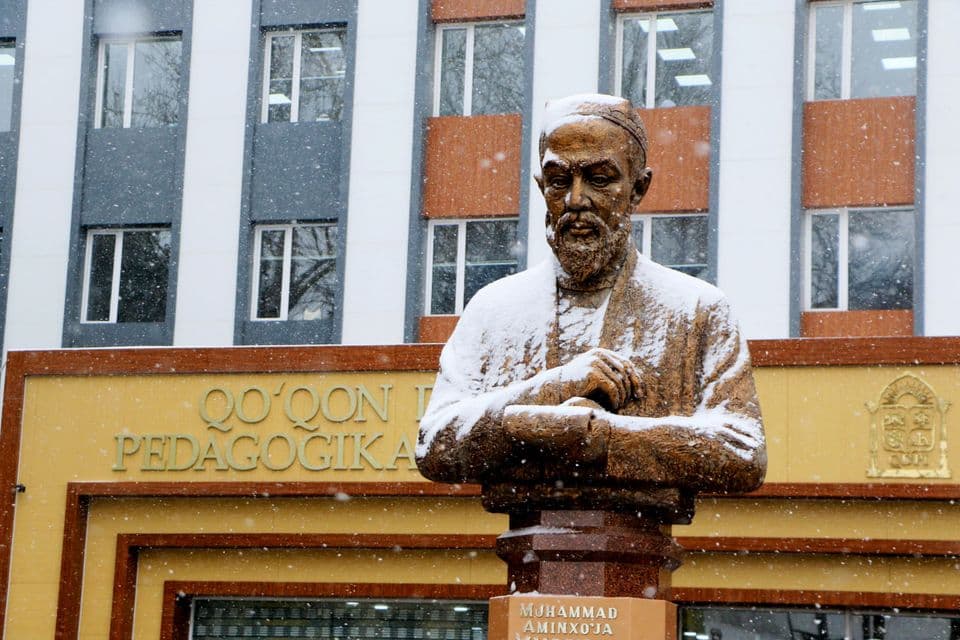
Monument to Mukimi, the Pride of National Literature
In August 1990, a statue of the poet Mukimi, one of the bright representatives of Uzbek classical literature, was erected in front of the university's academic building. This monument was not only a sign of high respect for the memory of the great creator but also an important step in educating the younger generation in the spirit of national literature and spiritual heritage.
2003
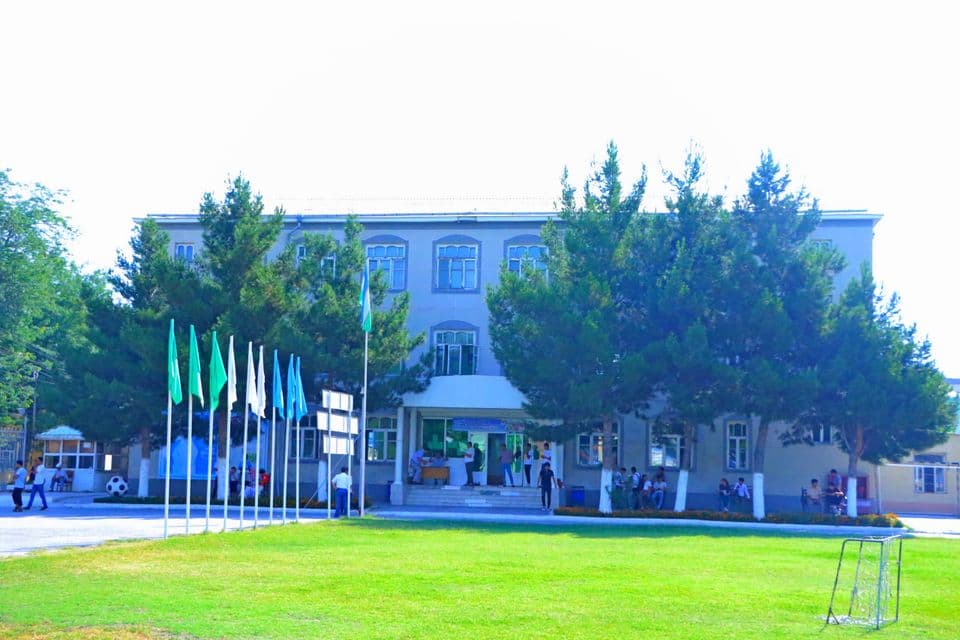
New Academic Building for the Faculty of Physical Education
In 2003, a modern 3-story academic building with a capacity of 270 seats was handed over for use for the Faculty of Physical Education. This building opened wide opportunities for students studying in the field of sports education. Bright and comfortable classrooms, favorable conditions for practical classes, and modern infrastructure further improved the quality of the educational process.
2003-2004
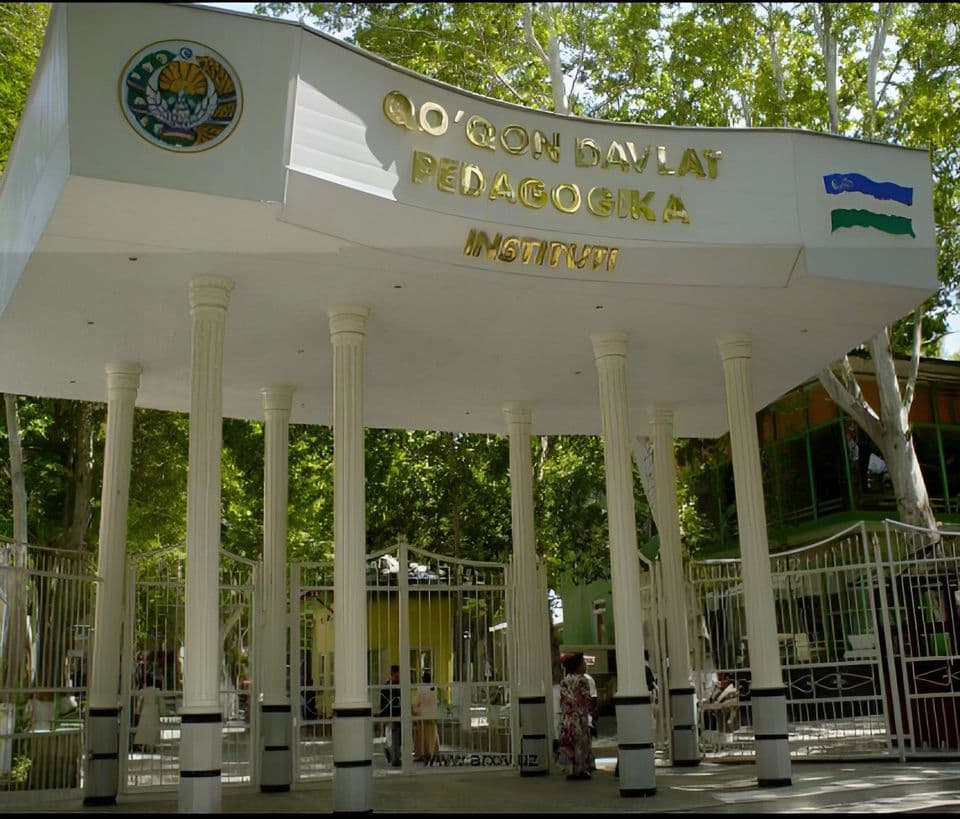
First Masters — Towards a New Stage
In 2003, the first master's students were admitted to study at Kokand State University in the specialties of Mathematics and Informatics, Physics and Astronomy, as well as Uzbek Language and Literature. This was an important step in further strengthening the scientific and pedagogical potential in the history of the university. By 2004, more than 6,000 students were studying in 17 educational programs at the university. 428 educators contributed to the education and upbringing of the younger generation, making a worthy contribution to shaping the scientific and spiritual environment of the university.
2007
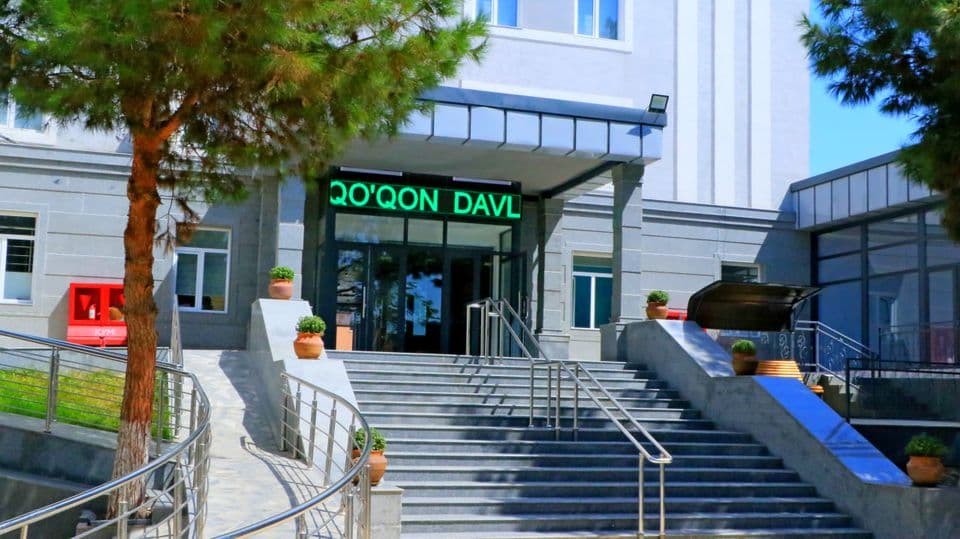
9-story Building Handed Over to the University
In 2007, an important step was taken to expand the infrastructure of Kokand State University. The 9-story building of the former footwear factory, with a capacity of 1,200 seats, was purchased, thoroughly renovated, and handed over to the Faculty of History.
2010
New Building for the Faculty of Chemistry and Biology
In 2010, another important project was implemented at Kokand State University to strengthen its material and technical base. The building of School No. 28 was purchased, thoroughly renovated, and handed over to the Faculty of Chemistry and Biology as a modern academic building with a capacity of 1,200 seats.
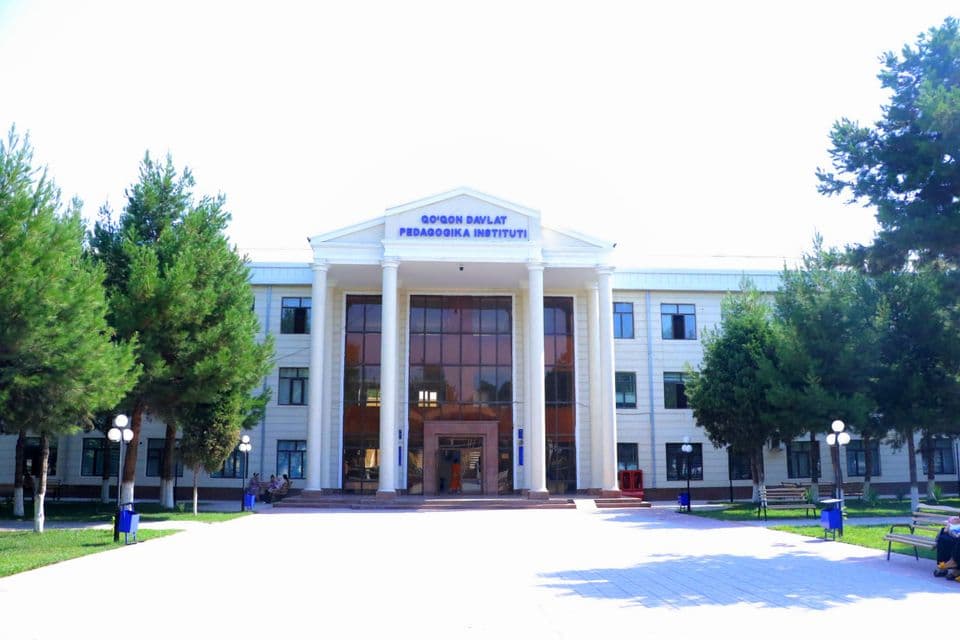
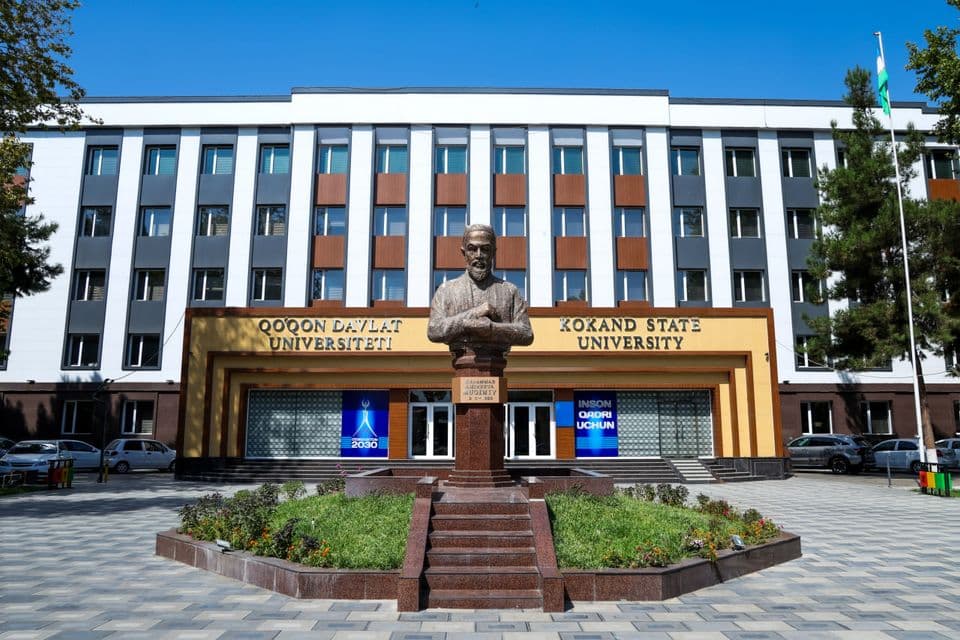
University history
Rectors (since 1931)

X.Valishin
1931-1936-yillar

F.S.Mayatskiy
1937-yil

V.I. Golseva
1937-yil

D.M.Mejidov
1939-1941-yillar

I.Po‘latov
1941-yil iyun

S.Sagatov
1941-yil

Pelisov
1943-yil

O‘.Askarova
1944-yil mart oyidan - 1955-yil

M.Obidova
1955-yil avgust - 1956-yil
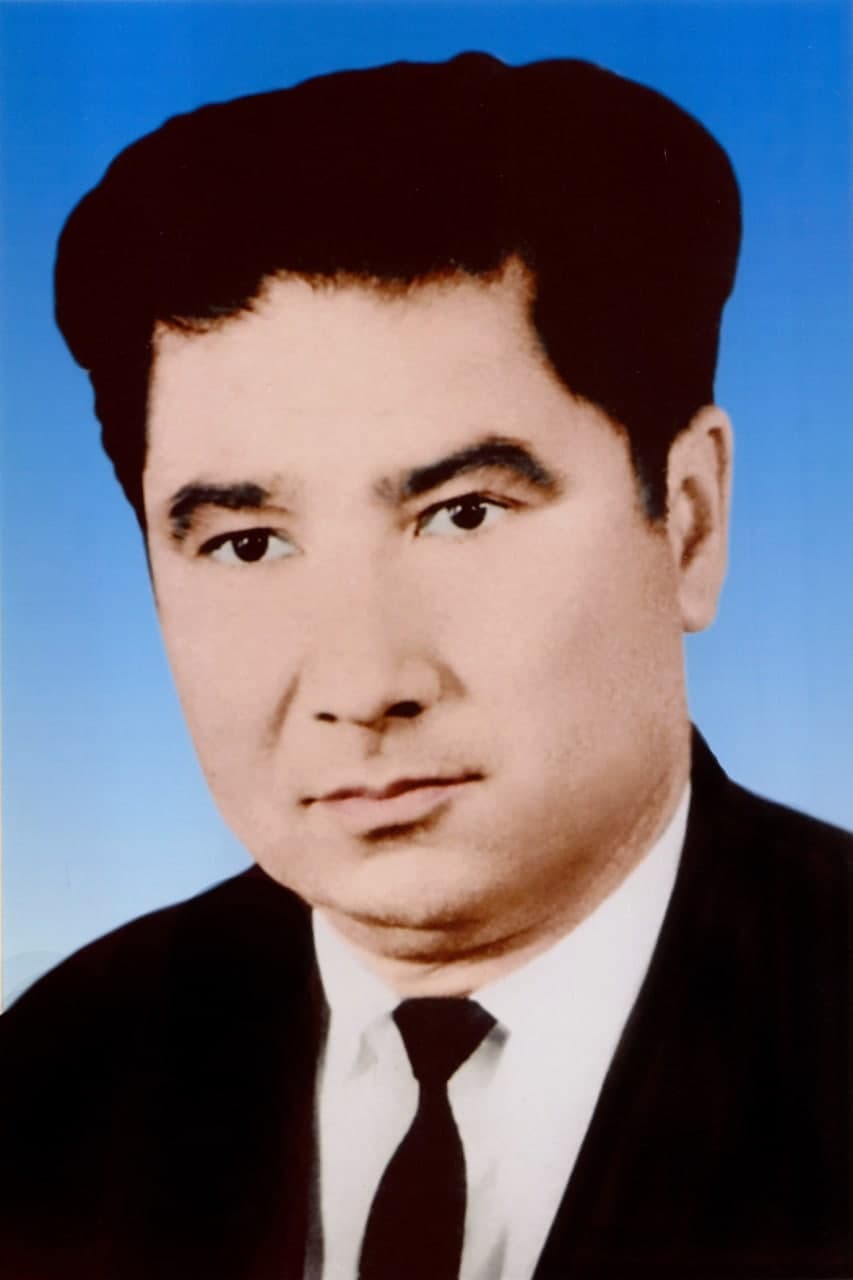
I.Rasulov
1957-1972-yillar

R.Tursunov
1972-1973-yillar

Q.Boyko‘ziyev
1973-1986-yillar

X.Mavlonqulov
1987-1991-yillar

I.Sulaymonov
1991-2000-yillar

I.Karimov
2001-2005-yillar
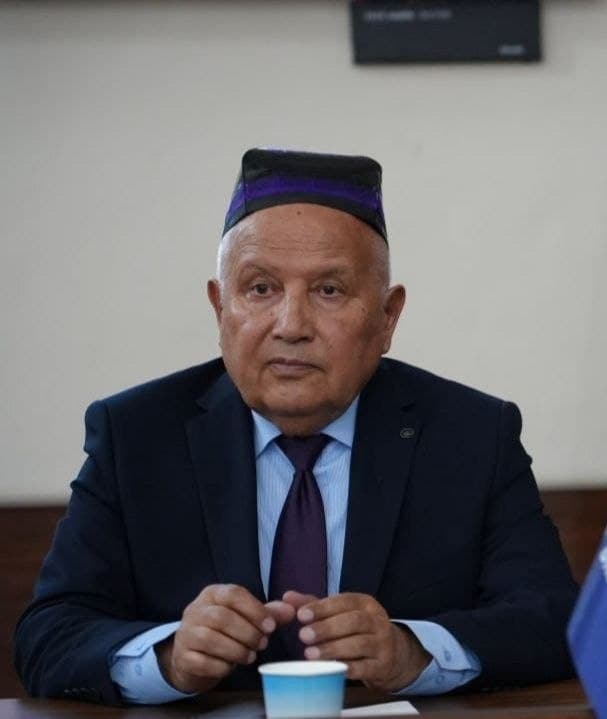
V.Maxmudov
2005-2011-yillar
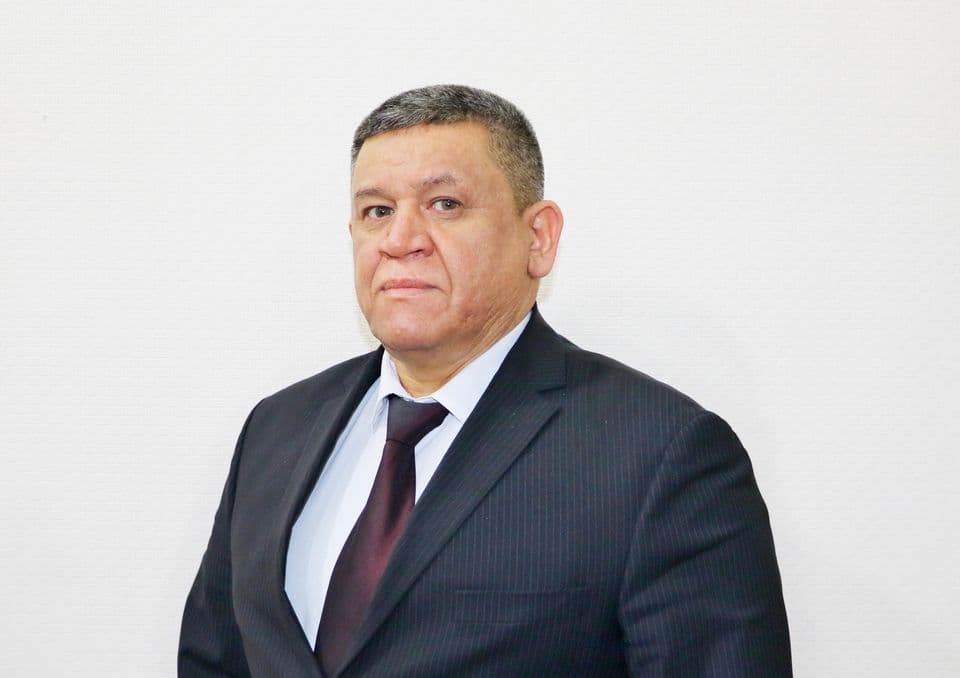
X.Xonboboyev
2011-yil

A.Hakimov
2011-2016-yillar
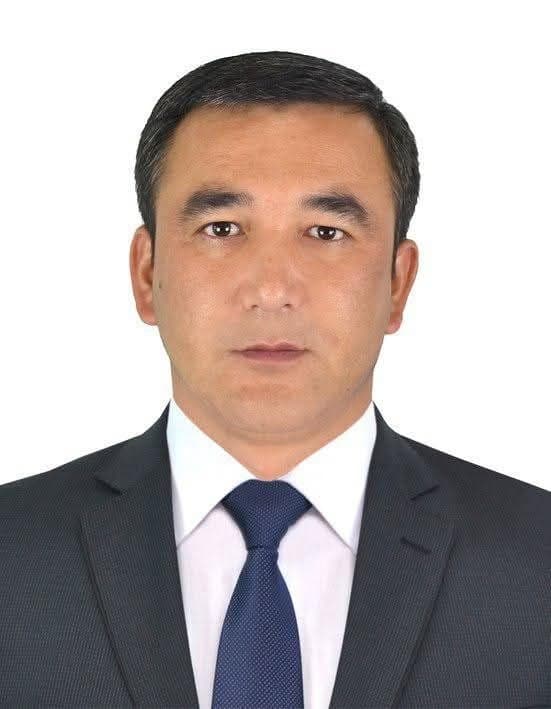
A.Eminov
2016-2020-yillar
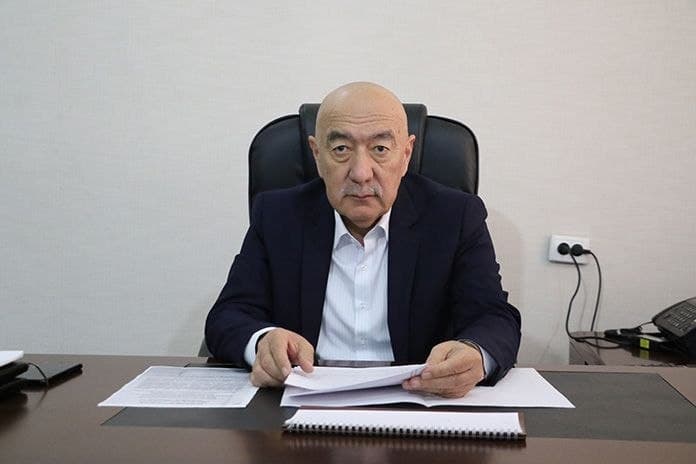
M.Atadjanov
2020-2021-yillar
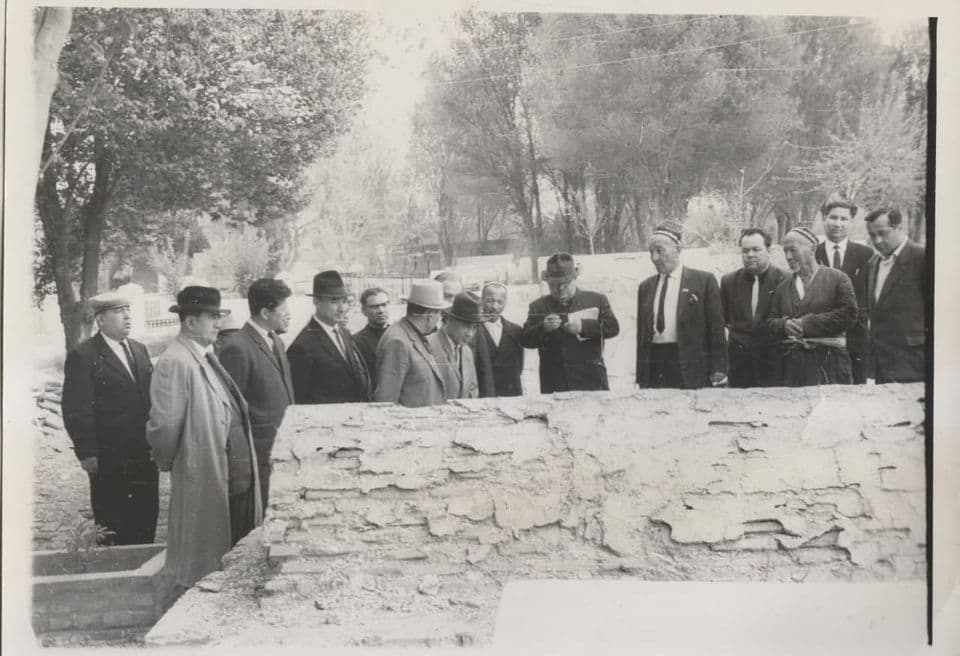
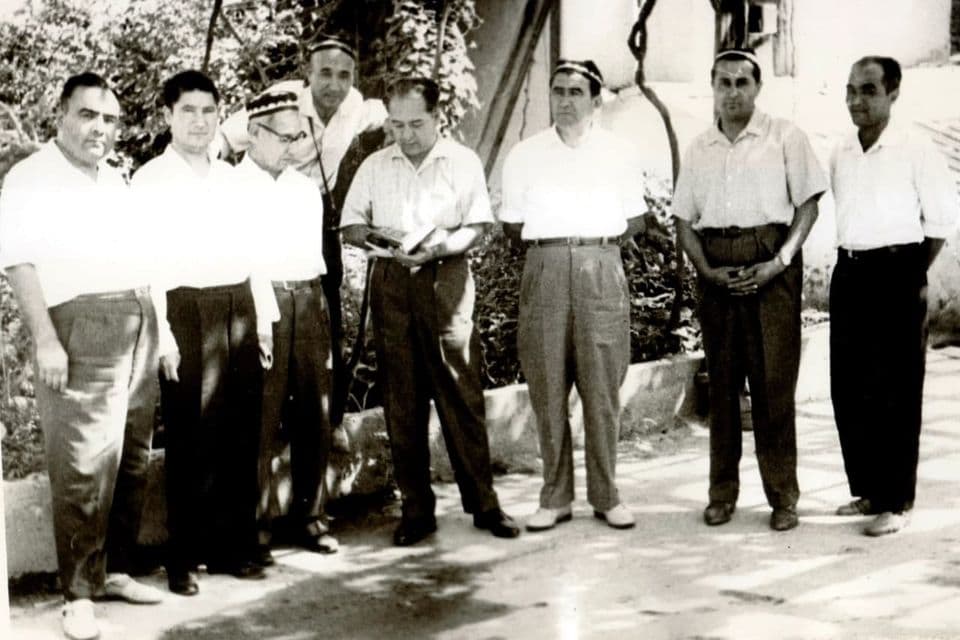
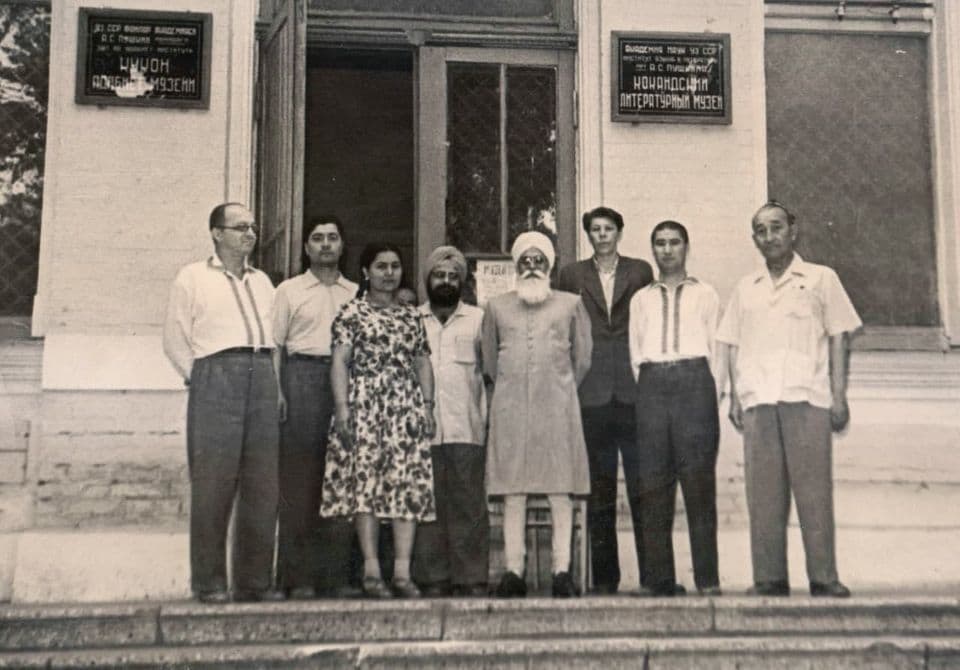
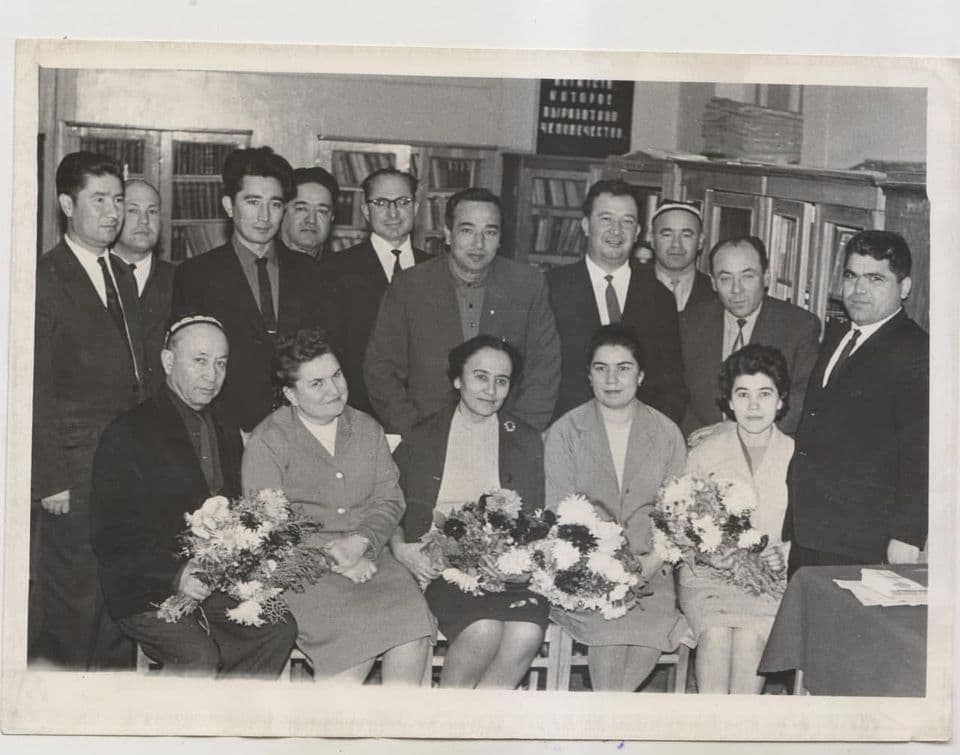
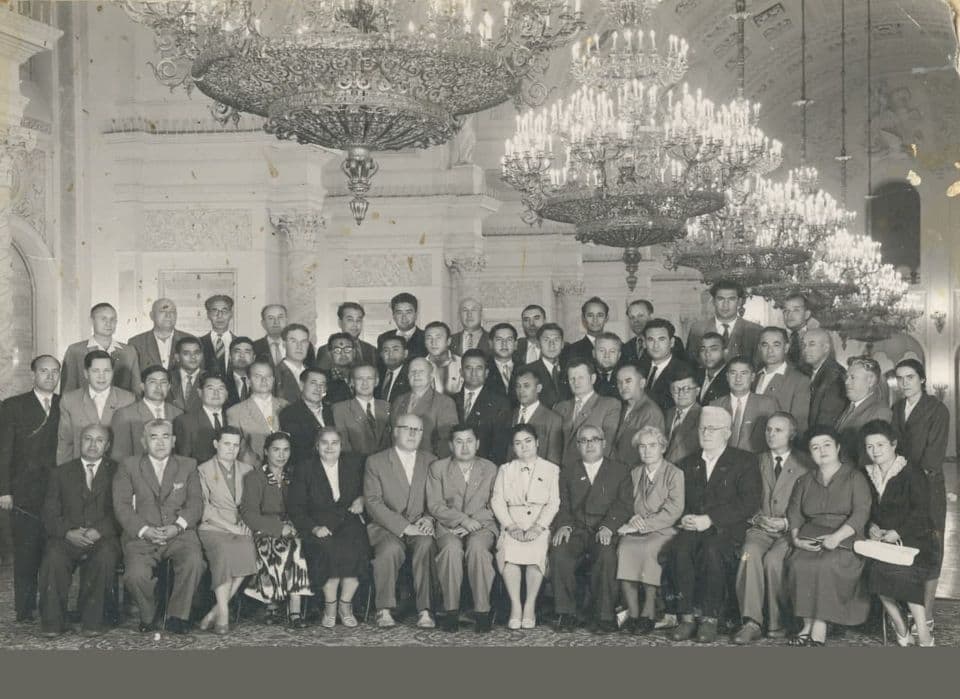
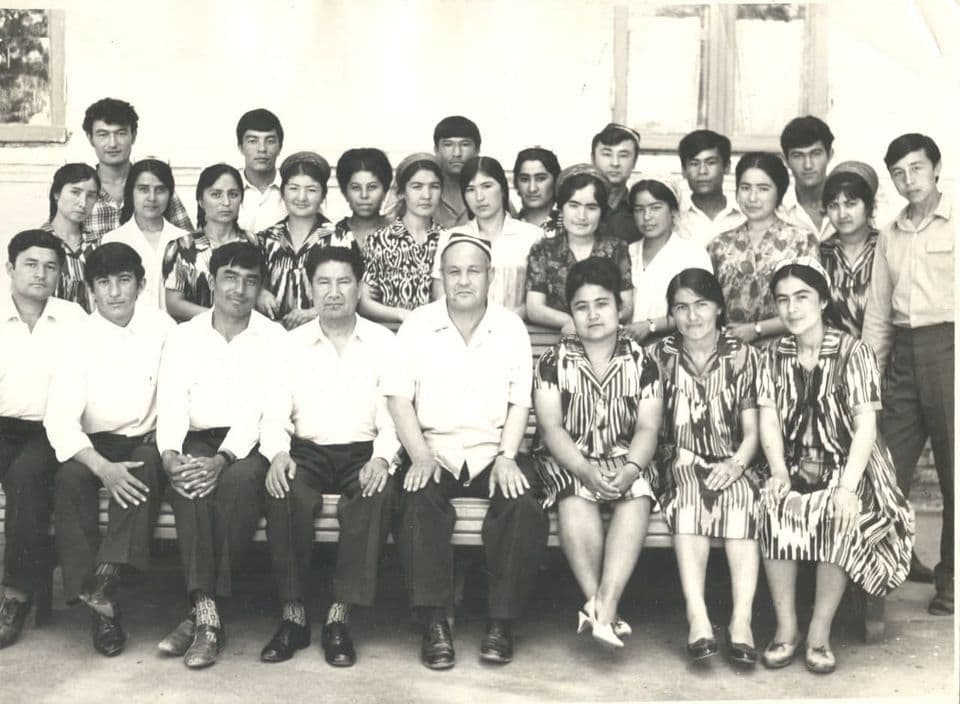
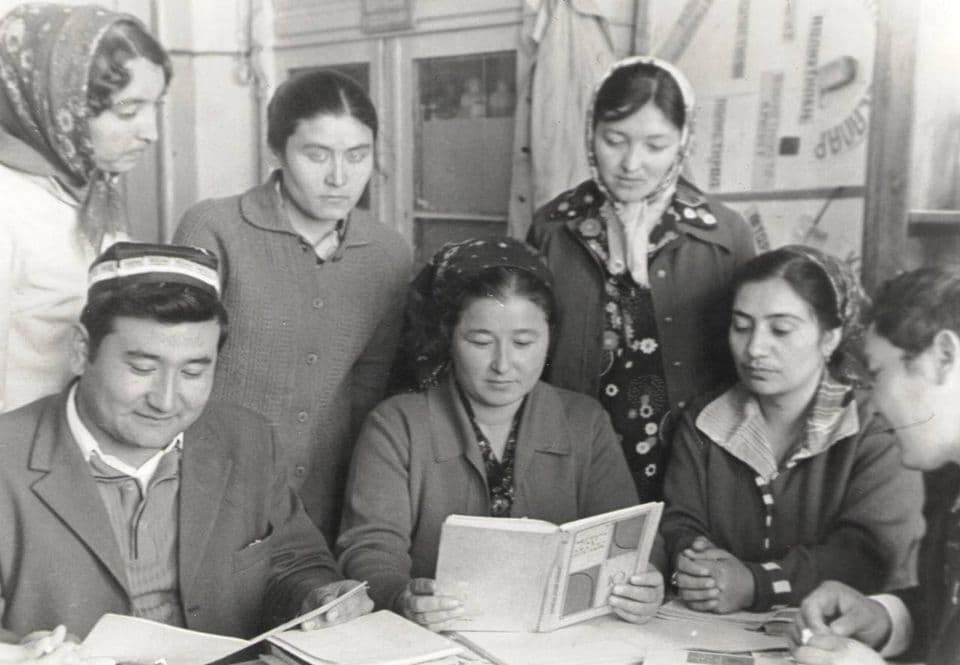
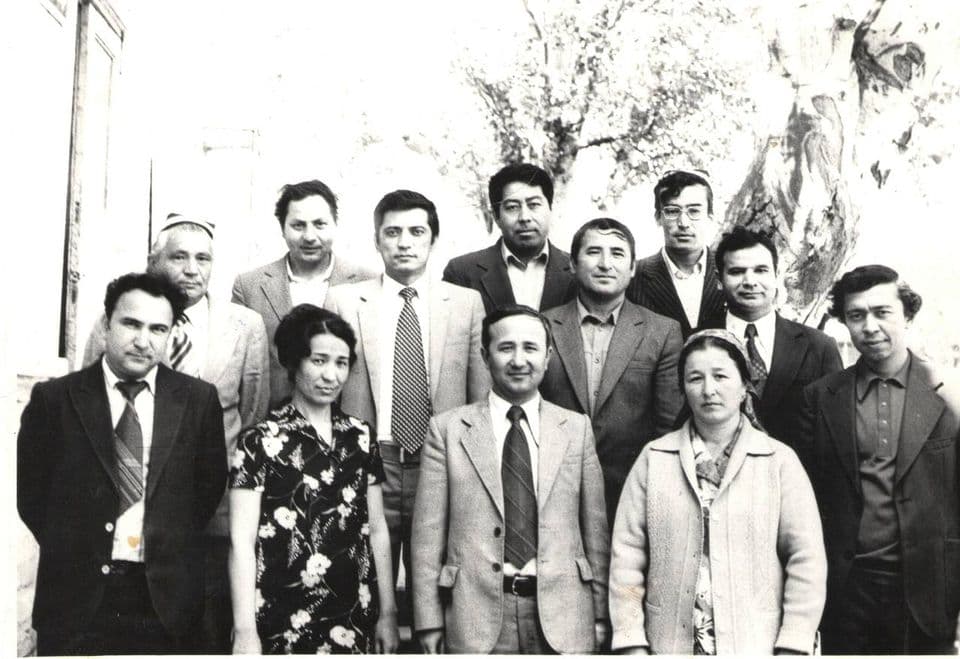
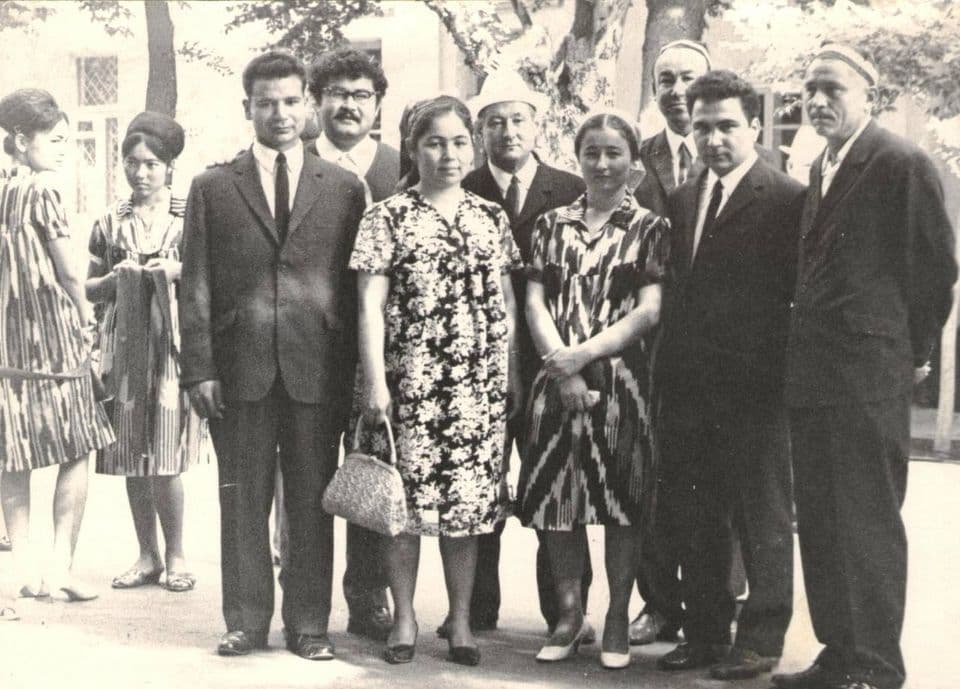
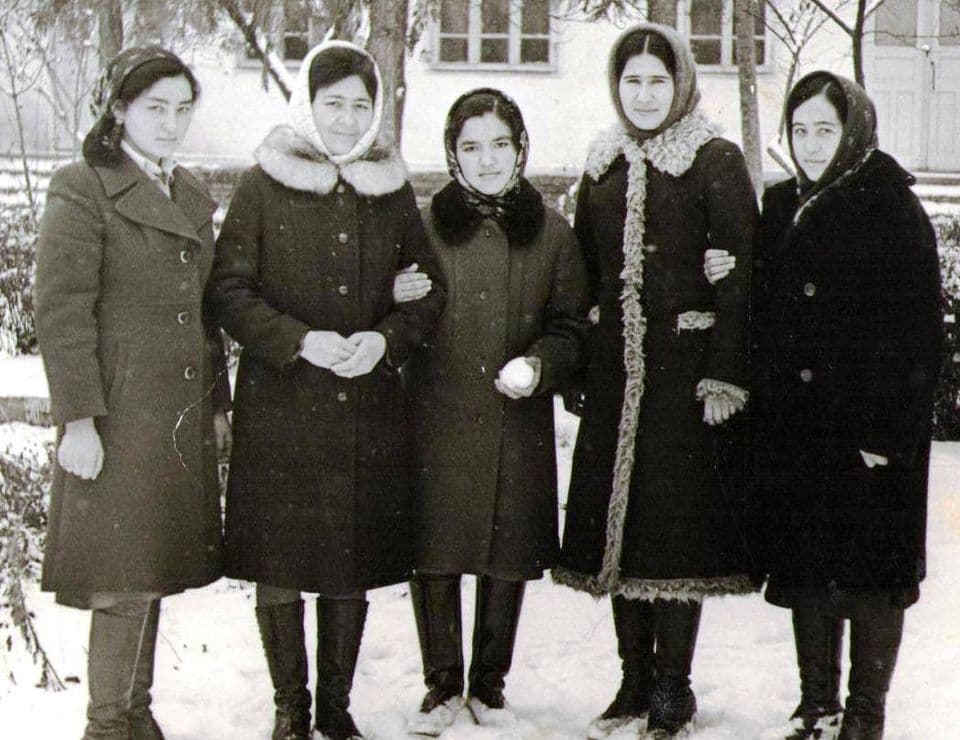
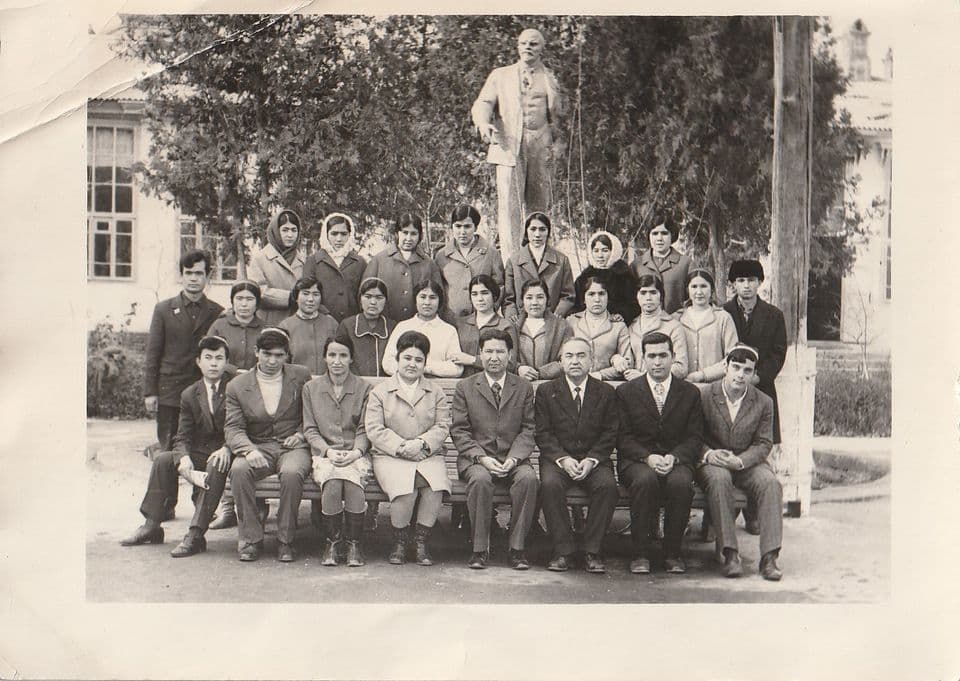
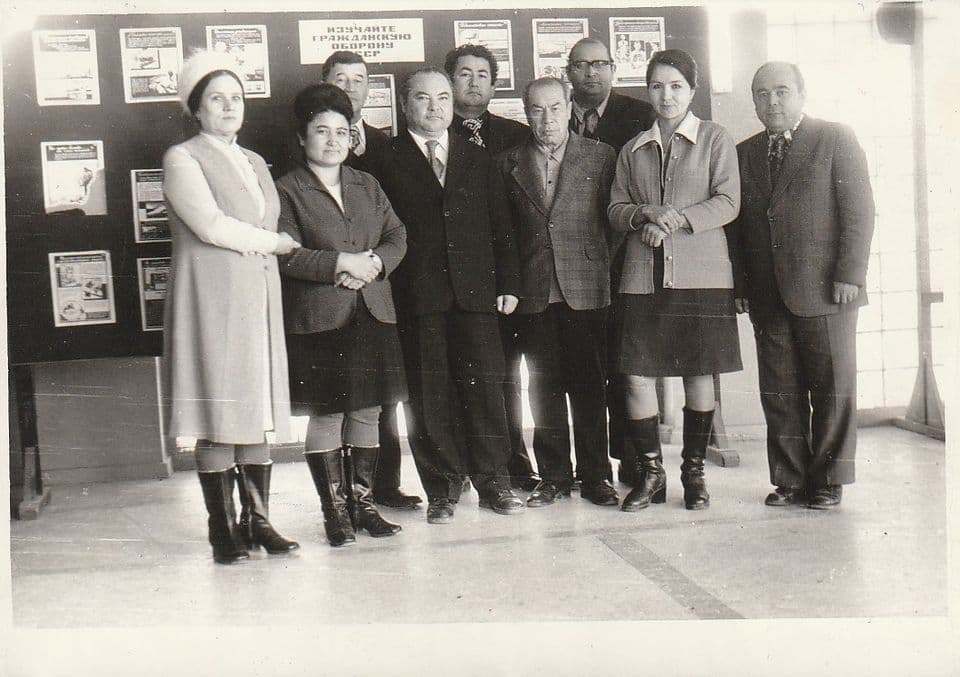
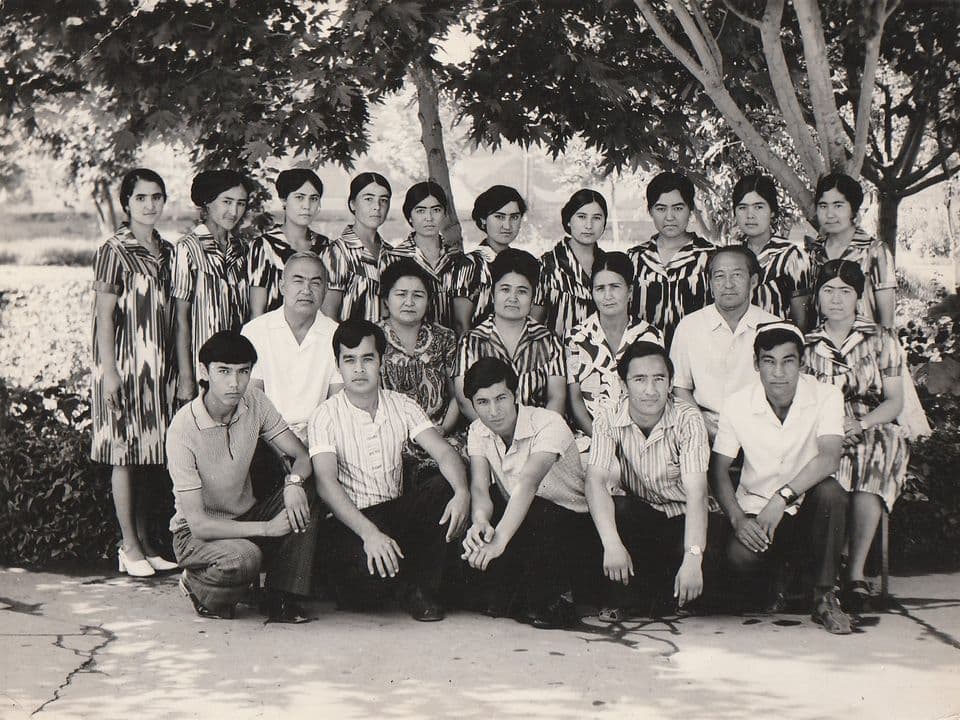
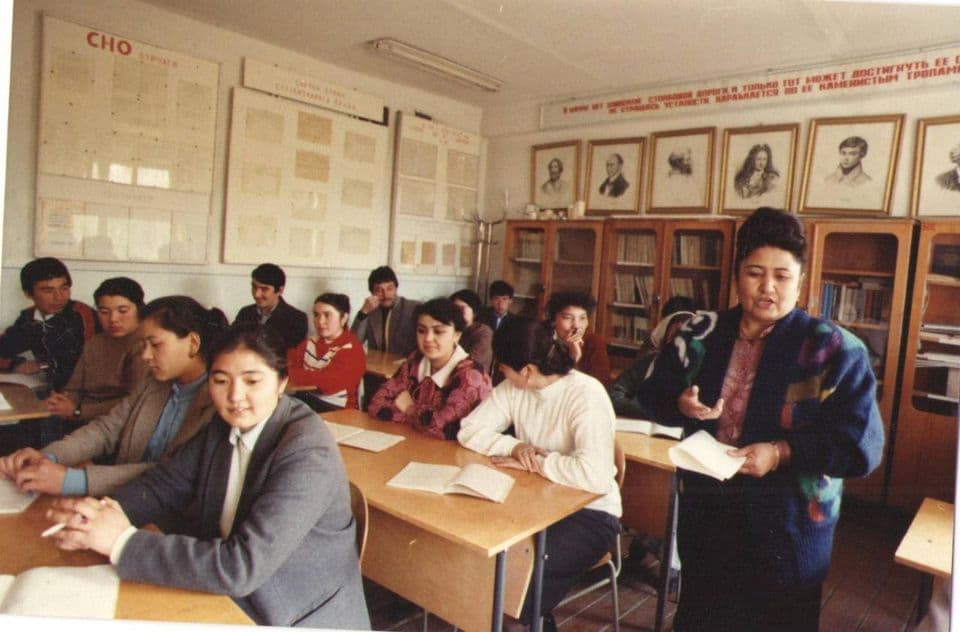
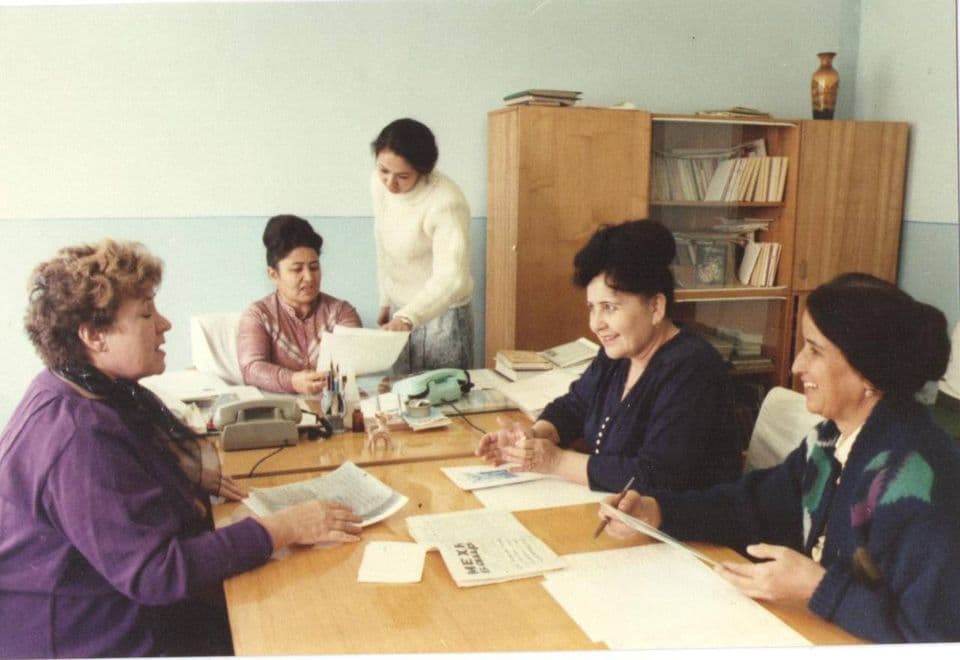
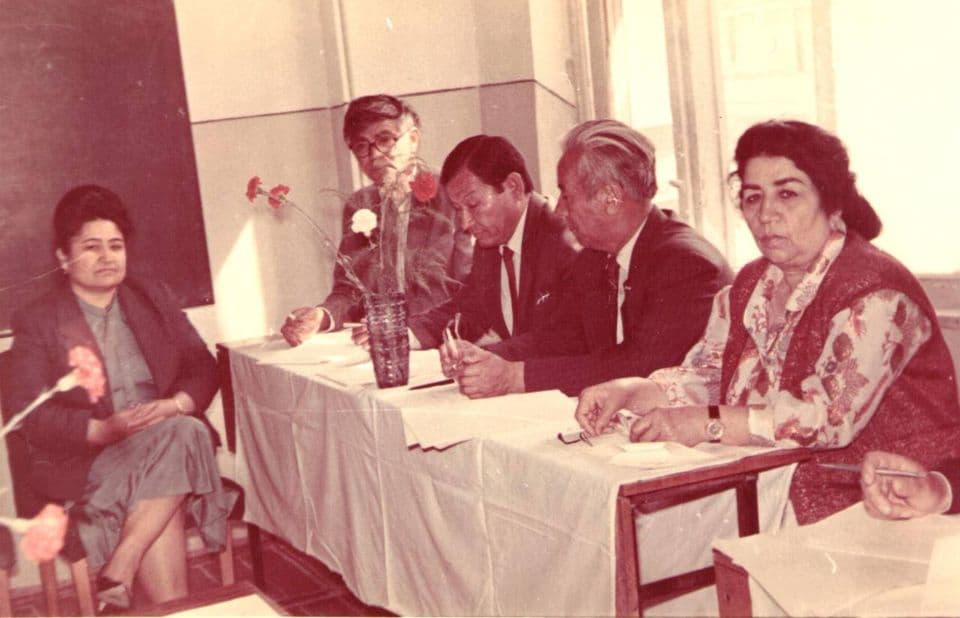
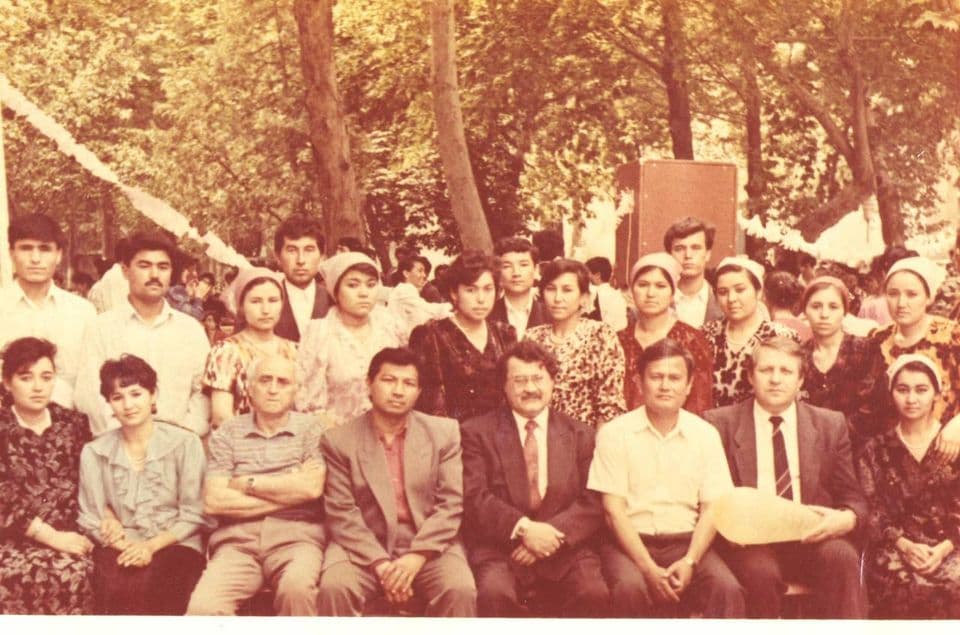
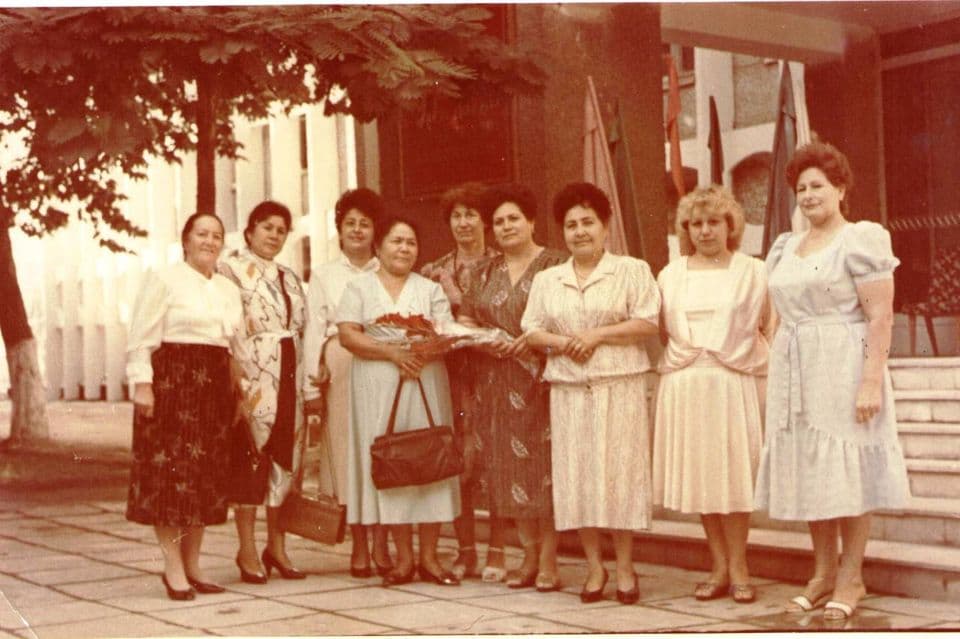
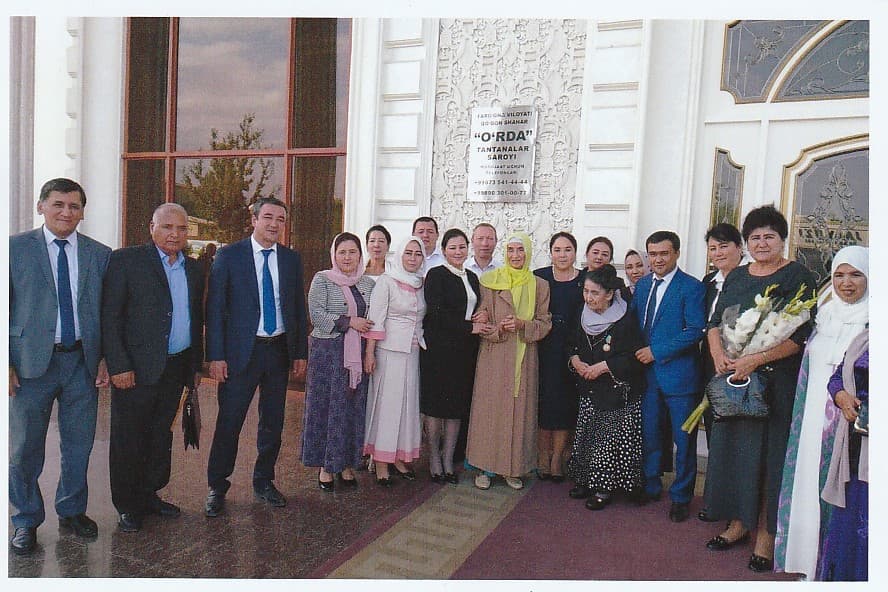
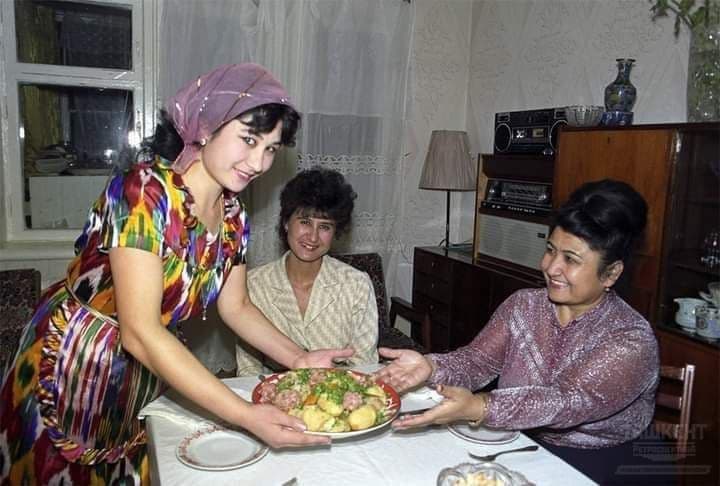
Historical photos